
Solana ecosystem 2026 budget
Building on Solana in 2026 requires balancing capital allocation across three distinct tracks: the established DeFi blue chips, the emerging AI infrastructure plays, and the growing Real World Asset (RWA) sector. The ecosystem has matured significantly since the early days, with July 2026 bringing a 66% increase in maximum block capacity and the addition of onchain equity markets.
Your budget should reflect the risk profile of each segment. DeFi protocols like Marinade Finance and Raydium offer lower volatility but slower growth, serving as the foundation of your portfolio. AI projects such as Helium and Render provide higher upside potential but come with greater technical risk. RWAs, including tokenized SpaceX shares and $3B in settled assets, offer institutional-grade stability but limited liquidity.
Consider starting with a 60/30/10 split: 60% in DeFi, 30% in AI, and 10% in RWAs. This allocation provides exposure to Solana's core strengths while maintaining enough flexibility to adjust as the ecosystem evolves. Remember that past performance does not guarantee future results, and diversification is key to managing risk in this volatile market.

As an Amazon Associate, we may earn from qualifying purchases.
Comparing top Solana ecosystem projects
The Solana network has shifted focus from raw transaction speed to predictability, resilience, and fairness in 2026. This evolution supports a broader range of institutional and consumer applications, from tokenized real-world assets (RWAs) to high-frequency DeFi protocols. When evaluating which projects dominate the chain, it is essential to look at on-chain activity, total value locked (TVL), and specific utility rather than just price speculation.
The following comparison highlights five of the strongest Solana ecosystem options across DeFi, RWAs, and infrastructure. These selections are based on recent ecosystem roundups and official Solana network updates from mid-2026. Each project offers a distinct value proposition for users seeking exposure to the Solana boom.
Jupiter: The DeFi Backbone
Jupiter remains the primary entry point for Solana DeFi. Its aggregation engine routes trades across all major Solana DEXs to ensure the best prices. In 2026, Jupiter expanded its cross-chain capabilities, allowing users to swap assets directly from Ethereum or Bitcoin networks without wrapping tokens manually. Its high liquidity depth makes it the safest option for large trades, minimizing slippage.
Ondo Finance: Real-World Assets on Solana
Ondo has positioned itself as the leader in tokenizing real-world assets on Solana. The platform recently added issuer-backed shares and tokenized SpaceX equity to its portfolio, bringing traditional finance on-chain. With approximately $3 billion in RWAs settled on Solana, Ondo offers institutional-grade exposure to stable yields derived from traditional markets.
Marinade Finance: Passive Staking
For users seeking passive income, Marinade Finance provides a liquid staking solution. Instead of locking SOL, users receive mSOL, which can be used in other DeFi protocols while earning staking rewards. Marinade’s automated validator selection process helps optimize rewards and reduces the risk of slashing, making it a foundational component of Solana’s staking ecosystem.
Tensor: NFT Trading Powerhouse
Tensor dominates the Solana NFT market with advanced trading tools. It supports bulk buying, sniping, and portfolio management features that appeal to serious collectors and traders. The platform’s integration with Jupiter allows for seamless asset swaps, bridging the gap between NFTs and fungible tokens. Its high activity levels reflect the continued strength of Solana’s digital collectibles sector.
Pyth Network: Data Infrastructure
Pyth Network serves as the oracle backbone for many Solana DeFi applications. It provides real-time, high-fidelity financial data from over 110 publishers, including traditional market data. This reliability is critical for lending protocols and derivatives platforms that require accurate price feeds to function correctly. Pyth’s integration is a key reason why Solana DeFi can handle high-frequency trading.
Inspect the expensive parts of Solana's 2026 ecosystem
Solana’s July 2026 upgrade increased maximum block capacity by 66%, pushing the network closer to its physical limits. While this boosts throughput, it also raises the cost of failure. When the chain congests, transaction fees spike, and smart contracts can fail mid-execution. Before committing capital to DeFi or RWA protocols, you need to verify that the underlying infrastructure can handle the load.
Use this checklist to audit projects for resilience. Focus on the components that cause the most expensive downtime or lost capital.
Check if the protocol uses multiple RPC providers. If a single node fails, the dApp should failover instantly. Look for mentions of Helius, QuickNode, or custom infra in their docs. A single point of failure here means your trades might not go through during high volume.
High block capacity attracts searchers. Ensure the protocol integrates with MEV-Boost or similar protection. Without it, your trades are vulnerable to front-running, which can erode returns significantly in competitive DeFi pools.
With $3B in RWAs on-chain, legal structure is critical. Verify that the tokenized assets have clear off-chain legal wrappers. If the issuer-backed shares lack proper custodial agreements, the on-chain token becomes a liability risk, not an asset.
Always simulate transactions before signing. Use tools like Solana Playground or wallet integrations that show exact fee estimates. This catches potential out-of-gas errors before they cost you real SOL.


As an Amazon Associate, we may earn from qualifying purchases.
Ownership Costs and Hidden Fees
A low entry price doesn’t mean low ownership costs. On Solana, the base transaction fee is fractions of a cent, but the real expense comes from storage rent and computational overhead. When you mint an NFT, tokenize an asset, or hold a position in a DeFi protocol, you are paying for space on the ledger and the compute power required to validate your actions.
Storage rent is the most common surprise. Unlike traditional apps, Solana requires a minimum balance to keep data alive. If your account balance drops below the threshold, the data can be reclaimed. This isn’t just a technical detail; it affects the long-term viability of holding assets. A cheap NFT might cost you more in maintenance than a more expensive one if the underlying data requires constant re-updating or if the storage rent isn’t managed properly.
Compute limits also play a role. Complex smart contracts or high-frequency trading strategies can hit compute units faster than simpler transactions. While Solana’s recent upgrades have increased block capacity and reduced congestion, intricate DeFi operations still require careful optimization. If your transaction fails due to compute limits, you still pay the fee. This means that “cheap” transactions can become expensive if they are inefficient.
When evaluating a project, look beyond the mint price or initial investment. Check the storage requirements for NFTs or tokenized assets. Understand the gas and compute costs for the specific DeFi protocol you’re using. A project that seems affordable upfront might have hidden costs that erode your returns over time.


As an Amazon Associate, we may earn from qualifying purchases.
Solana ecosystem 2026: what to check next
Investors are weighing Solana’s rapid infrastructure upgrades against market volatility. Below are direct answers to the most common questions about the chain’s 2026 trajectory and project potential.
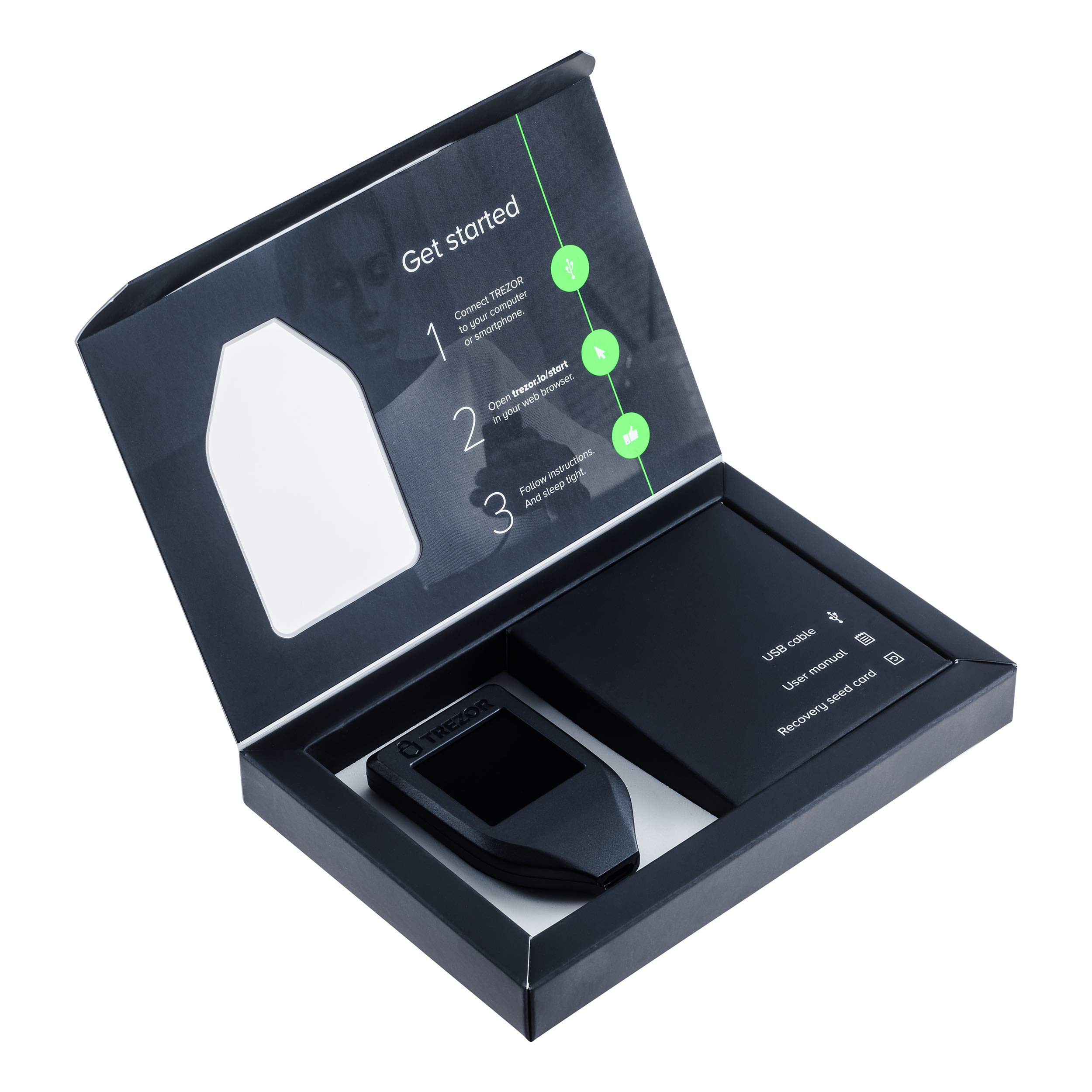
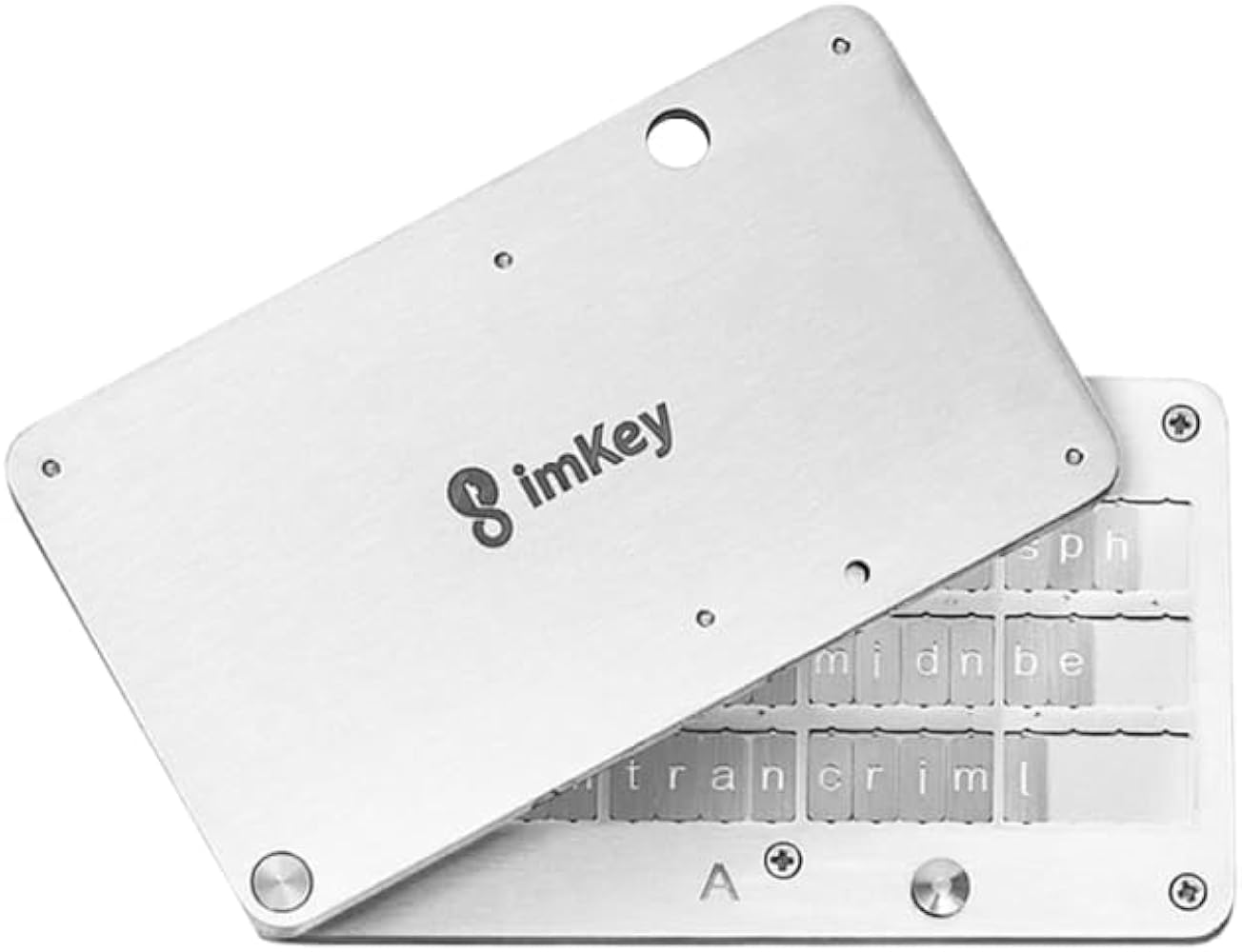
For hardware security, consider dedicated crypto wallets like the Ledger Nano X, available on Amazon, to store your SOL and SPL tokens securely.


As an Amazon Associate, we may earn from qualifying purchases.
No comments yet. Be the first to share your thoughts!