
Solana network performance 2026
The conversation around Solana in 2026 has shifted away from the $0.50 gas fee era. While low costs remain a baseline feature, the network’s value now hinges on institutional-grade reliability and predictable finality. Our selection logic prioritizes projects that leverage this stability for high-frequency applications, ranging from DePIN infrastructure to deep DeFi integrations.
We evaluated candidates based on three criteria: technical alignment with the 2026 roadmap, measurable transaction volume, and ecosystem depth. This ensures the list reflects active, growing segments rather than speculative concepts. The following items represent the most robust applications and tools shaping the network’s current trajectory.
50 Solana 2026: Why $0.50 Gas Fees Are No Longer the Main Story
Use this section to make the Solana decision easier to compare in real life, not just on paper. Start with the reader's actual constraint, then separate must-have requirements from details that are merely nice to have. A practical choice should survive normal use, maintenance, timing, and budget. If a recommendation only works in an ideal situation, call that out plainly and give the reader a fallback path.
The simplest way to use this section is to write down the must-have criteria first, then compare each option against those criteria before weighing nice-to-have features.
50 Key Solana Ecosystem Components in 2026
- Firedancer Validator Client: The new high-performance validator client by Jump Crypto, offering redundant networking paths and significantly improved uptime reliability for institutional nodes.
- Alpenglow Consensus Upgrade: The transition to 400ms block times, reducing finality latency and enabling near-instant settlement for high-frequency trading applications.
- DeFi Llama Analytics: A comprehensive dashboard tracking total value locked (TVL) across Solana DeFi protocols, essential for monitoring ecosystem health and liquidity trends.
- Helius RPC Nodes: A primary infrastructure provider offering high-throughput RPC endpoints, critical for dApps requiring reliable data access during peak congestion.
- Triton One (Warp): A professional-grade trading terminal designed for Solana, offering advanced charting, order book depth, and low-latency execution tools.
- Jupiter Aggregator: The largest DEX aggregator on Solana, providing optimal swap routes and limit orders, serving as the primary entry point for most retail traders.
- Marinade Finance: A leading liquid staking protocol allowing users to stake SOL while retaining liquidity through mSOL, essential for yield generation in DeFi strategies.
- Raydium AMM: An automated market maker integrated with Serum order books, facilitating deep liquidity for newly launched tokens and established pairs.
- Orca DEX: A user-friendly, concentrated liquidity DEX known for its intuitive interface and efficient capital utilization for liquidity providers.
- Jito Staking: A liquid staking solution that captures MEV (Maximal Extractable Value) rewards, distributing additional yield to stakers beyond standard staking rewards.
- Pyth Network: A real-time oracle network providing high-frequency financial data feeds, crucial for accurate pricing in lending and derivatives protocols.
- Switchboard Oracles: A decentralized oracle platform enabling smart contracts to access off-chain data, supporting complex DeFi logic and automation.
- Tensor NFT Marketplace: The dominant NFT marketplace on Solana, offering advanced trading tools, bid collections, and a high-volume environment for digital art.
- Magic Eden: A multi-chain NFT marketplace with a strong Solana presence, known for its user-friendly interface and broad collection support.
- Magic Eden Launchpad: A platform for launching new NFT collections, providing tools for creators to manage drops, royalties, and community engagement.
- Phantom Wallet: The most popular non-custodial wallet on Solana, offering seamless dApp integration, NFT management, and staking capabilities.
- Solflare Wallet: A secure, open-source wallet with a focus on security features, including hardware wallet integration and multi-signature support.
- Backpack Wallet: A wallet developed by the FTX founders, featuring a built-in NFT marketplace and social features, targeting a more integrated user experience.
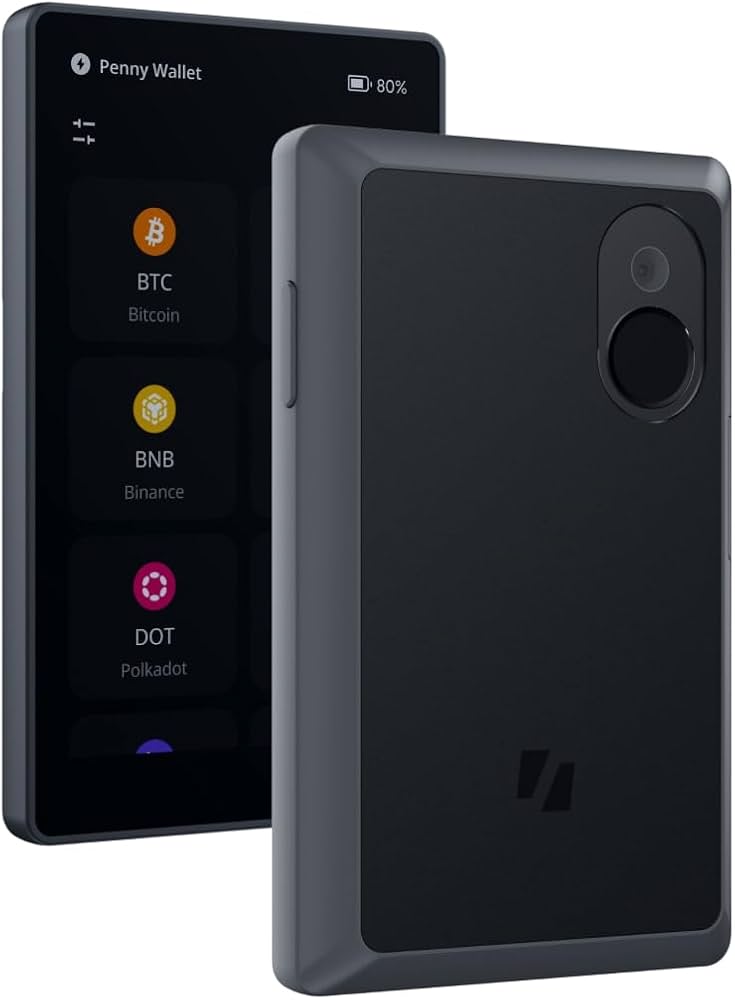
- Ledger Nano X: A hardware wallet supporting Solana, providing cold storage security for long-term holders and large position management.
- Trezor Model T: Another hardware wallet option with Solana support, offering robust security for users prioritizing asset protection over frequent trading.
- DePIN (Decentralized Physical Infrastructure): A growing sector including projects like Helium and Hivemapper, leveraging Solana for scalable, low-cost IoT data recording.
- Helium Mobile: A decentralized wireless network allowing users to earn tokens by providing coverage, demonstrating Solana’s utility in real-world infrastructure.
- Hivemapper: A decentralized mapping network using dashcams to collect road data, rewarding users with tokens for contributing to global map accuracy.
- Io.net: A decentralized GPU computing network, enabling AI training and rendering tasks to be distributed across a global network of contributors.
- Render Network: A decentralized GPU rendering network, allowing artists and studios to access computing power for 3D rendering and AI workloads.
- Aerodrome Finance: A next-generation AMM on Base, but its Solana counterparts like Kamino Finance offer similar concentrated liquidity features for optimized yield farming.
- Kamino Finance: A lending and borrowing platform on Solana that supports concentrated liquidity positions, allowing for more efficient capital usage in lending markets.
- Drift Protocol: A decentralized perpetual exchange on Solana, offering low fees, high leverage, and a robust order book for derivatives trading.
- Hypermesh: A protocol for creating and trading fractionalized NFTs, enabling liquidity for illiquid digital assets through tokenization.
- Niftyx: A platform for fractionalizing high-value NFTs, allowing investors to buy shares in blue-chip collections and share in potential appreciation.
- Synthetix (Solana Port): A derivatives liquidity protocol expanding to Solana, allowing users to trade synthetic assets pegged to real-world commodities and currencies.
- Ondo Finance: A tokenization platform bringing real-world assets like US Treasuries on-chain, offering Solana users access to traditional finance yields.
- Maple Finance: A decentralized lending protocol for institutional borrowers, expanding to Solana to offer undercollateralized loans to vetted entities.
- Goldfinch: A protocol for uncollateralized crypto lending, connecting borrowers with liquidity providers without requiring over-collateralization, now available on Solana.
- Ribbon Finance: A structured product platform offering options strategies on Solana, allowing users to generate yield through covered calls and put spreads.
- Arrakis Finance: A liquidity management protocol that automates the provision of concentrated liquidity, optimizing yields for LPs across multiple DEXs.
- Gains Network: A decentralized trading platform offering leverage on forex and crypto assets, expanding to Solana for faster settlement and lower fees.
- Mango Markets: A decentralized trading platform offering spot, margin, and perpetual trading, with a focus on security and transparency post-recovery.
- Saber: A stablecoin-focused DEX on Solana, providing deep liquidity for trading between different USD-pegged assets with minimal slippage.
- Orca Whirlpools: Orca’s concentrated liquidity feature, allowing LPs to provide liquidity within specific price ranges for higher capital efficiency.
- Raydium Concentrated Liquidity: Raydium’s upgrade to support concentrated liquidity, enabling LPs to earn higher fees by targeting specific price bands.
- Jupiter Limit Orders: A feature on Jupiter allowing users to set price targets for swaps, executing trades automatically when market conditions are met.
- Jupiter Perpetuals: Jupiter’s expansion into derivatives trading, offering leveraged positions on major crypto assets with integrated risk management.
- Drift V2: An upgrade to Drift Protocol featuring improved risk engines, cross-margin accounts, and a more robust order book structure.
- Kamino Lending: Kamino’s lending market, offering competitive rates for borrowing and lending SOL and other major assets on Solana.
- Marinade Liquid Staking: Marinade’s core product, allowing users to stake SOL and receive mSOL, which can be used in other DeFi protocols for additional yield.
- Jito-SOL: The liquid staking token for Jito, representing staked SOL plus accrued MEV rewards, offering higher yields than traditional staking.
- Solana Mobile (Saga): A blockchain-native smartphone designed for Web3, featuring integrated wallets and dApp stores, promoting mobile-first crypto adoption.
- Shelby (Mobile dApp Store): An app store on the Saga phone for discovering and installing Solana dApps, simplifying mobile crypto interaction.
- Firedancer Testnet: The ongoing testing phase of the Firedancer client, crucial for validating its performance improvements before mainnet deployment in 2026.
Pick the right fit
Choosing a Solana ecosystem product depends on what you value most: raw speed, institutional reliability, or niche utility. The network’s 2026 roadmap shifts focus from mere transaction volume to predictable finality and deeper DeFi integration. Your selection should align with whether you prioritize high-frequency trading, long-term staking yields, or decentralized physical infrastructure (DePIN).
Evaluate network stability and finality
Solana’s technical roadmap for 2026 emphasizes institutional-grade infrastructure. This means looking for projects that leverage Firedancer and other upgrades to ensure consistent block production. If you are managing significant capital, prioritize protocols with proven uptime and clear risk management frameworks over those chasing viral trends.
Check transaction costs and throughput
While $0.50 fees are no longer the main story, efficiency remains critical. High-throughput applications like DePIN or complex DeFi strategies benefit from Solana’s low latency. Verify that the project’s architecture is optimized for the network’s 65,000 TPS capacity to avoid slippage during peak congestion.
Assess ecosystem depth
The Solana ecosystem is expanding rapidly in DeFi, NFTs, and real-world assets. Look for projects with deep liquidity pools and active developer communities. A robust ecosystem reduces counterparty risk and provides more opportunities for interoperability.
Review security audits and team transparency
Security is non-negotiable. Prefer projects that have undergone multiple independent audits from reputable firms. Transparent teams with verifiable track records are less likely to engage in rug pulls or governance failures.
Compare user experience and accessibility
The best protocol is useless if it is too complex to use. Evaluate the onboarding process, wallet integration, and customer support. A seamless user experience often correlates with higher retention and lower churn rates.
| Criteria | High Priority | Low Priority |
|---|---|---|
| Finality | Predictable, instant | Variable, slow |
| Liquidity | Deep, multi-protocol | Shallow, isolated |
| Security | Multi-audit, transparent | Single-audit, anonymous |


As an Amazon Associate, we may earn from qualifying purchases.
No comments yet. Be the first to share your thoughts!