
Solana 2026 trends limits to account for
Use this section to make the Solana decision easier to compare in real life, not just on paper. Start with the reader's actual constraint, then separate must-have requirements from details that are merely nice to have. A practical choice should survive normal use, maintenance, timing, and budget. If a recommendation only works in an ideal situation, call that out plainly and give the reader a fallback path.
The simplest way to use this section is to write down the must-have criteria first, then compare each option against those criteria before weighing nice-to-have features.
Solana 2026 trends choices that change the plan
Evaluating Solana in 2026 requires looking beyond aggregate volume numbers. The network’s shift toward AI-integrated infrastructure has created distinct advantages for specific sectors, but it also introduces new tradeoffs regarding centralization concerns and validator requirements. Investors and developers must weigh these factors against the broader market landscape.
The primary tradeoff lies between throughput and decentralization. As Solana integrates more AI-driven tools for transaction ordering and state compression, the computational burden on validators increases. This can lead to a higher barrier to entry for node operators, potentially reducing network decentralization over time. For high-frequency trading and meme coin speculation, this efficiency is unmatched. However, for long-term institutional custody, the concentration of power among fewer, more capable validators remains a risk factor that must be monitored closely.
| Feature | Solana | Ethereum L2 | Technical View |
|---|---|---|---|
| Transaction Cost | <$0.001 | $0.10-$2.00 | Low Friction |
| Finality Time | ~400ms | 12-15 min (L1) | High Velocity |
| AI Integration | Native Compute | Layer 2 Solutions | Emerging |
| Decentralization | Moderate | High | Risk Factor |
The rise of AI agents on Solana presents a unique opportunity for liquidity. Unlike traditional DeFi, which relies on human traders, AI agents can execute micro-transactions at speeds that only Solana’s low latency supports. This creates a self-reinforcing cycle: more AI activity drives more volume, which attracts more developers. However, this also means that market movements can become more algorithmic and less driven by fundamental value, increasing the potential for flash crashes during periods of high volatility.
When comparing Solana to Ethereum Layer 2 solutions, the choice often comes down to use case. Solana dominates in consumer-facing applications, gaming, and high-frequency trading where speed is paramount. Ethereum L2s remain superior for complex smart contracts and institutional settlements where security and auditability are prioritized over speed. For 2026, the trend suggests a bifurcation: Solana will likely capture the majority of retail and AI-driven volume, while Ethereum retains its position as the settlement layer for high-value, low-frequency transactions.
Choose the next step
Solana works best as a clear sequence: define the constraint, compare the realistic options, test the tradeoff, and choose the path with the fewest hidden costs. That order keeps the advice usable instead of decorative. After each step, pause long enough to check whether the recommendation still fits the reader's actual situation. If it depends on perfect timing, unusual access, or a best-case budget, include a simpler fallback.
Avoid the weak options
Use this section to make the Solana decision easier to compare in real life, not just on paper. Start with the reader's actual constraint, then separate must-have requirements from details that are merely nice to have. A practical choice should survive normal use, maintenance, timing, and budget. If a recommendation only works in an ideal situation, call that out plainly and give the reader a fallback path.
The simplest way to use this section is to write down the must-have criteria first, then compare each option against those criteria before weighing nice-to-have features.
Solana 2026 trends: what to check next
Helpful gear
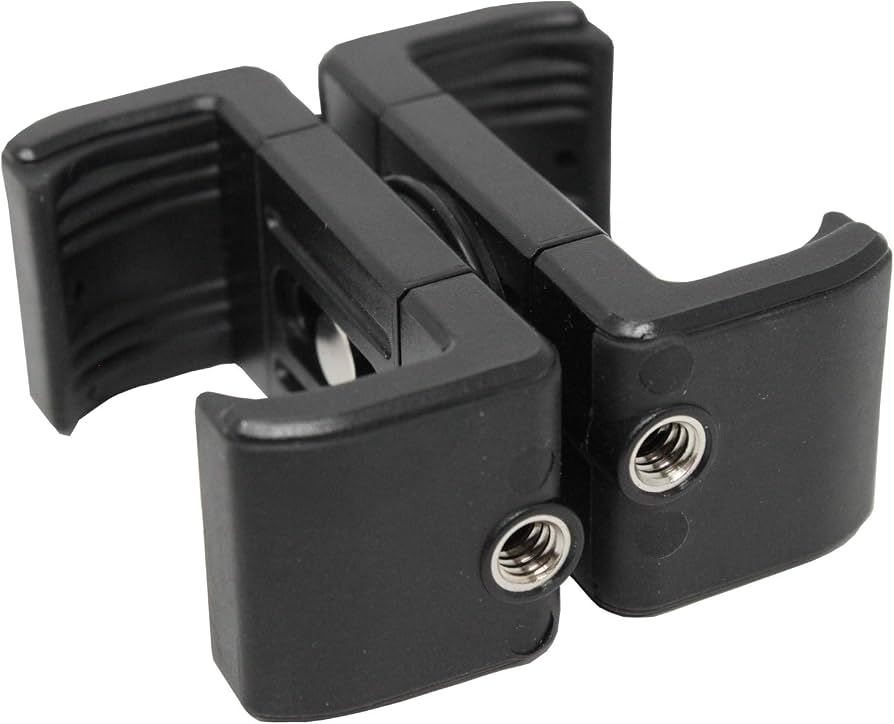
Use these product recommendations as a starting point, then choose the size, material, and price point that fit how you actually use the gear.


As an Amazon Associate, we may earn from qualifying purchases.
No comments yet. Be the first to share your thoughts!