Solana firedancer 2026 limits to account for
Firedancer is Solana’s second validator client, developed by Jump Crypto, and it went live on mainnet in 2026. Unlike the original client, which is written in Rust, Firedancer is built in C. This architectural shift is not just a technical curiosity; it fundamentally changes how the network handles load during peak volatility.
The primary benefit of this upgrade is throughput. By rewriting the core consensus logic in a lower-level language, Firedancer can process transactions with significantly lower latency. This means the network can sustain higher transaction volumes without the congestion that often triggers failed trades or delayed NFT minting. For DeFi protocols and high-frequency traders, this translates to more reliable execution during market swings.
Beyond speed, Firedancer introduces critical client diversity. Previously, almost all Solana validators ran the same software stack. If a bug emerged in that single client, the entire network was at risk. Firedancer acts as an independent validator client, providing a robust failover mechanism. This diversity is essential for long-term network stability, ensuring that a single point of failure cannot bring down the ecosystem. The combination of raw performance and redundancy makes 2026 a pivotal year for Solana’s infrastructure maturity.
Solana firedancer 2026 choices that change the plan
Firedancer is Solana’s second validator client, developed by Jump Crypto, designed to increase throughput and reduce reliance on the original client. While the upgrade promises higher transaction speeds, it introduces distinct operational and network risks that participants must weigh. The rollout has been gradual, with the client going live on mainnet in late 2025 and expanding to run on over 20% of active validators by Q2 2026 [src-4]. By August 2026, full Firedancer nodes accounted for 57 of the network’s 698 validators [src-3].
The primary benefit is network resilience through client diversity. Relying on a single codebase for all validators creates a systemic risk; a bug in the original client could halt the entire network. Firedancer provides an independent alternative, ensuring that a failure in one client does not compromise the chain’s continuity. This diversity is critical for maintaining uptime during complex protocol upgrades or unexpected network congestion [src-2].
However, the tradeoff lies in validation complexity. Running a Firedancer node requires specialized infrastructure and significant technical expertise, which may concentrate validation power among well-resourced entities. This centralization risk contrasts with the decentralized ethos of blockchain networks. Additionally, while Firedancer optimizes for speed, it does not inherently solve all liquidity fragmentation issues in DeFi and NFT markets, which remain dependent on broader network adoption and user experience improvements.
| Factor | Benefit | Tradeoff | Current Status |
|---|---|---|---|
| Network Uptime | Reduces single-client failure risk | Operational complexity for new validators | Mainnet live since Dec 2025 |
| Transaction Speed | Higher throughput capacity | Potential centralization of validation | 20%+ validators by Q2 2026 |
| Security | Independent codebase audit | New, untested attack vectors | 57/698 full nodes by Aug 2026 |
How to Choose Your Next Solana Move
Firedancer’s arrival on Solana mainnet in 2026 shifts the network from a single-client chain to a multi-client architecture. For investors and builders, this isn’t just a technical upgrade; it is a liquidity event. The network’s ability to process transactions without freezing or stalling creates new opportunities for DeFi protocols and NFT marketplaces. However, the volatility of a high-throughput chain requires a disciplined approach.
Use this framework to decide your next step based on your risk tolerance and time horizon.
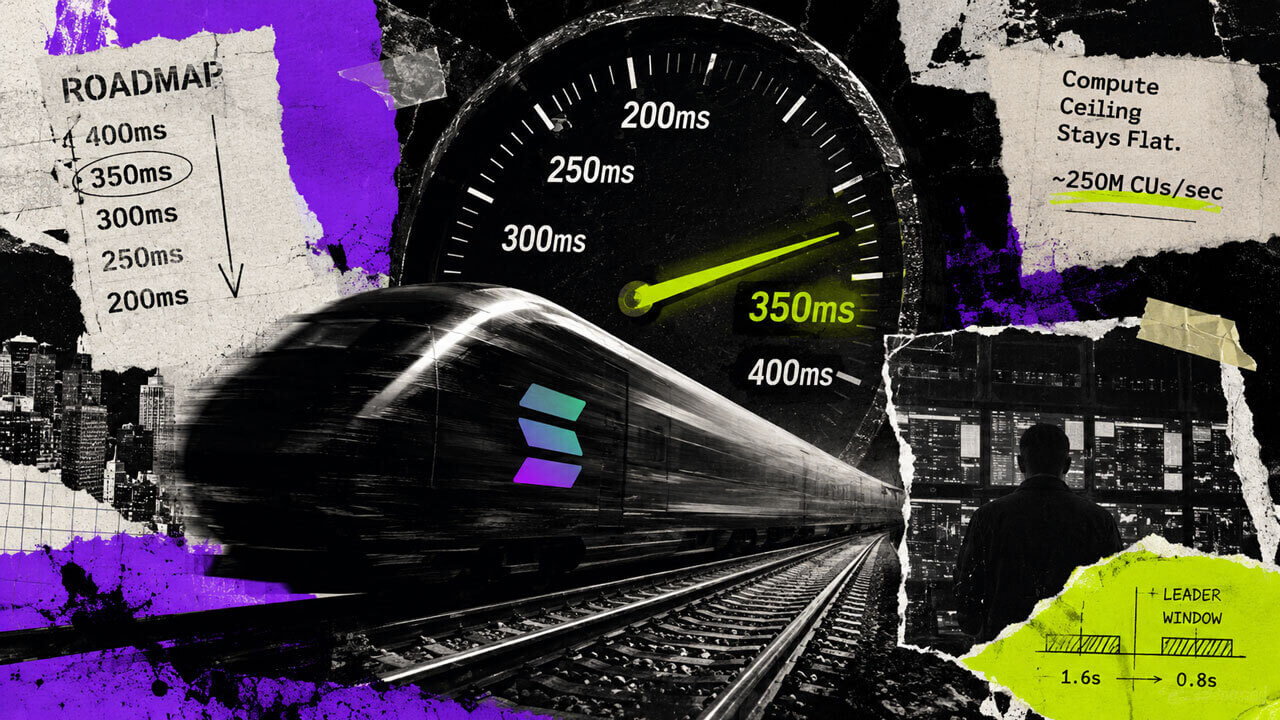
Before committing capital, verify that the network is running both the default validator and Firedancer. Client diversity reduces the risk of a shared bug taking down the entire chain. Check the validator distribution on Solana Beach or similar dashboards. If Firedancer stakes are below 10%, the network is still vulnerable to single-point failures. Wait for a balanced distribution before entering large positions.
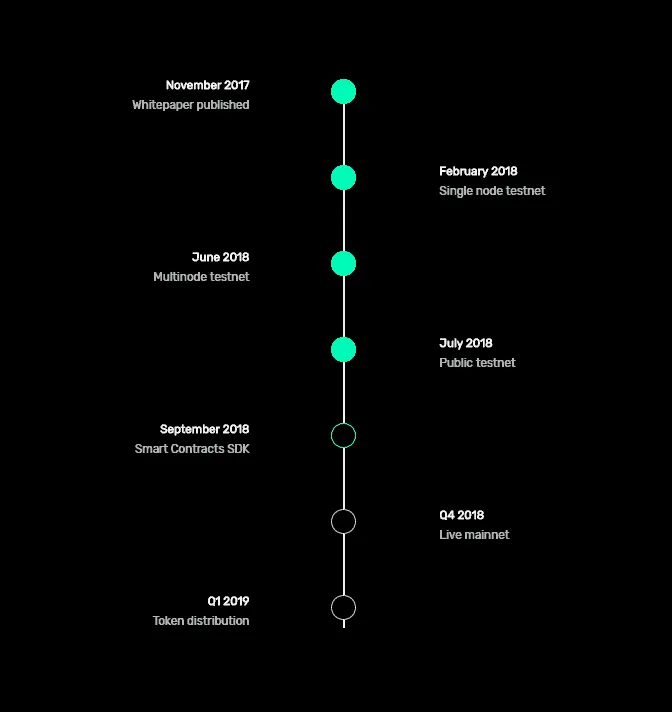
Firedancer’s low latency allows for high-frequency trading strategies that were previously impossible on Solana. Look for protocols that have integrated Firedancer-optimized routing. High liquidity depth means less slippage for large trades. Avoid thin pools on new tokens; the speed of the network amplifies losses just as it amplifies gains. Focus on established DEXs that have already adapted their smart contracts to handle the new throughput.
NFT liquidity on Solana is often fragmented. Use Firedancer’s speed to monitor floor prices across multiple marketplaces in real-time. If a collection’s floor is stable during high network congestion, it indicates strong holder conviction. If the floor crashes during minor network hiccups, the liquidity is artificial. Only buy into collections that show resilience during peak network activity.
Market cycles often react to technical upgrades with short-term pumps followed by long-term consolidation. Do not buy the headline. Wait for the post-upgrade volatility to settle. Look for a consolidation phase where the price stabilizes after the initial Firedancer launch hype. This is the safest entry point for long-term holds. Use a Dollar-Cost Averaging strategy to smooth out the volatility during this transition period.
Avoid misleading Firedancer claims
The Solana 2026 roadmap centers on Firedancer, a new validator client developed by Jump Crypto. While it promises higher throughput, many summaries oversimplify what this actually means for liquidity and network stability. You need to separate the engineering reality from the marketing hype.
Firedancer is not a magic switch that doubles your profits. It is a second, independent client that runs alongside the existing validator software. This diversity reduces the risk of a single bug taking down the entire network, a common point of failure in blockchain infrastructure. For DeFi protocols, this means lower systemic risk, not necessarily instant gains.
Be wary of claims that Firedancer alone will solve Solana’s congestion issues. The upgrade improves validation efficiency, but actual transaction speed still depends on network demand and user behavior. If you are holding SOL for long-term utility, focus on the network’s resilience rather than short-term price speculation. The real value lies in a more robust infrastructure that can handle sustained growth without compromising security.
Solana Firedancer 2026: Common Questions Answered
The rollout of Firedancer has shifted the conversation from if Solana will scale to how it will handle the load. Below are the practical answers to the most frequent questions about the upgrade, price targets, and what the data actually shows.
These questions highlight the difference between hype and infrastructure. Firedancer is a backend improvement, not a marketing campaign. Its value lies in stability and speed, which supports long-term price discovery rather than short-term pumps. For real-time price action, check the live chart below to see how SOL is reacting to these fundamental changes.
No comments yet. Be the first to share your thoughts!