
Solana ai agents budget
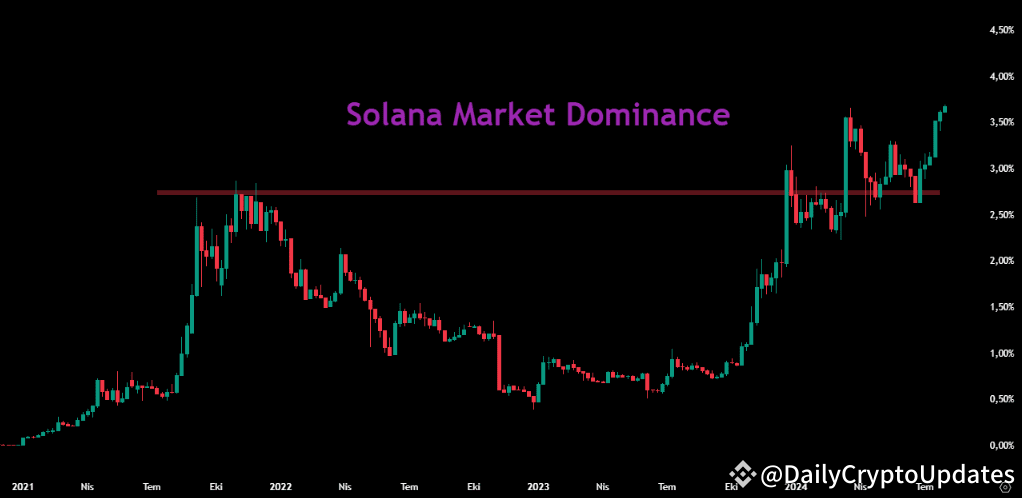
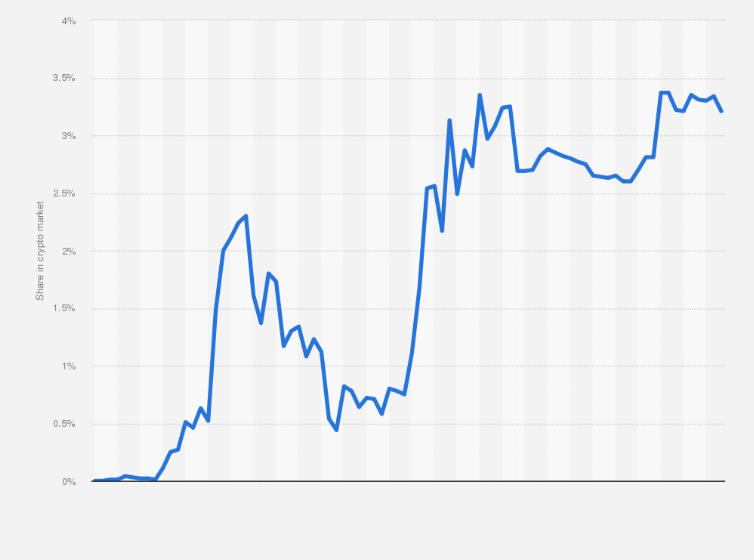
Solana's Dominance works best when the purchase path is explicit. Verify the source, compare the offer against real alternatives, check the total cost, and confirm what happens after payment before you decide. After each comparison, write down the one risk that would change your mind. If the seller, condition, support, warranty, shipping, or upkeep still feels uncertain, resolve that question before moving to checkout.
The simplest way to use this section is to verify the seller, compare the total cost, and resolve the biggest risk before you commit.
Compare the strongest Solana AI agents options
Solana’s AI agent ecosystem has shifted from experimental code to measurable economic output. Messari’s Q1 2026 report confirms that agents are now delivering real onchain value, but choosing the right tool depends on your specific workflow. Whether you are building a trading bot or a content creator, the infrastructure you select determines your speed and reliability.
The following comparison table breaks down the most capable options currently available. We evaluate them based on their primary function, integration complexity, and target audience to help you pick the right fit for your project.
| Agent/Tool | Type | Integration | Best For |
|---|---|---|---|
| Solana MCP | IDE Assistant | Cursor, Windsurf | Developers coding on-chain |
| Solana Agent Kit | Open-Source Toolkit | Any AI Model | Custom autonomous agents |
| Solana Foundation AI Hub | Resource Directory | Web Portal | Finding compute & data |
| Sendaifun | Protocol Connector | SDK/API | Connecting agents to DeFi |
Solana MCP acts as a specialized assistant within your IDE. It is ideal if you are writing smart contracts and need real-time feedback on Solana-specific syntax. For more complex autonomous tasks, the Solana Agent Kit offers an open-source toolkit. It allows any AI model to perform over 60 different actions on the Solana network, from token swaps to NFT minting.
If you are looking to deploy agents that interact with DeFi protocols, Sendaifun provides the necessary connectors. It bridges the gap between standard AI models and Solana’s financial infrastructure. For developers needing compute resources or data sources, the Solana Foundation’s AI Hub serves as a central directory to find the right infrastructure partners.


As an Amazon Associate, we may earn from qualifying purchases.
Inspect the expensive parts
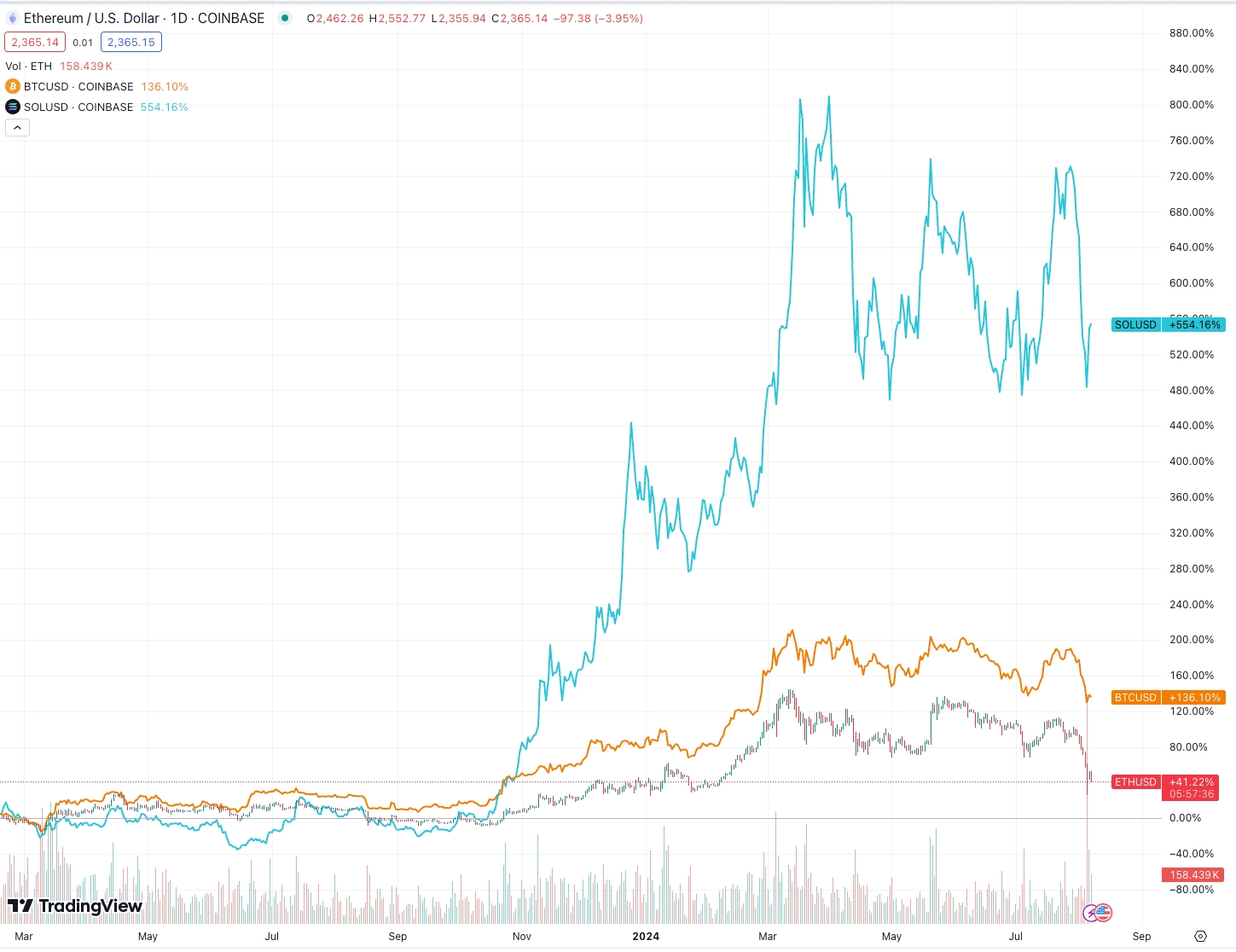
Solana’s $SOL dominance in the AI x DeFi space relies on infrastructure that can handle massive throughput, but that same throughput creates unique failure points. When AI agents transact on-chain, they move faster and in higher volumes than traditional DeFi users. A single bottleneck can drain capital or stall an entire workflow.
Before committing resources to any AI agent or DeFi protocol on Solana, run through this inspection checklist. Focus on the components that cost the most to fix or replace once live.
Check if the AI agent uses Solana MCP (Model Context Protocol) for IDE integration. Solana MCP connects directly to tools like Cursor and Windsurf, allowing agents to write and test code with real-time blockchain context. If an agent bypasses this, it may lack access to accurate on-chain data or fail to execute transactions correctly. Agents without Solana MCP are essentially flying blind in a high-speed environment.
AI workloads require significant compute. Verify where the agent sources its compute from. Solana’s ecosystem offers specialized compute solutions that scale with demand. If the agent relies on generic cloud instances, it may face latency issues or cost overruns during peak AI inference times. Ensure the compute layer is integrated with Solana’s high-performance network to maintain the speed advantages that define the ecosystem.
AI agents need real-time, accurate data to make decisions. Check how the agent sources its data. Solana provides on-chain data streams that are transparent and immutable. If the agent pulls data from third-party APIs without verification, it risks acting on stale or manipulated information. On-chain data sourcing ensures that the AI’s decisions are based on verified, real-time state changes, reducing the risk of costly errors in DeFi interactions.
In DeFi, transaction finality is critical. Solana offers near-instant finality, but network congestion can still occur. Test the agent’s ability to handle fee markets and prioritize transactions during high-load periods. Ensure the agent can adjust fees dynamically to avoid stuck transactions. A failed transaction in DeFi can mean lost opportunities or liquidations, so robust fee handling is non-negotiable.
By focusing on these four areas, you can identify the most expensive risks before they impact your AI x DeFi strategy. Solana’s infrastructure is powerful, but it requires careful integration to avoid costly mistakes.
Ownership Costs
A low entry price for $SOL doesn’t eliminate the friction of holding it. The real cost of ownership comes from the operational overhead required to keep your assets secure and accessible. If you’re running Solana-based AI agents or interacting with on-chain compute, you’re paying for more than just the token; you’re paying for the infrastructure that keeps those agents alive.
Hidden Maintenance Fees
Most users overlook the recurring costs of maintaining a Solana wallet. While transaction fees are often fractions of a cent, the cost of storage on Solana is different. Every account, token, or agent you create requires a minimum balance to avoid being reclaimed by the network. For active users running multiple AI agents, these micro-balances add up, turning a "free" wallet into a maintenance-heavy project.
The Security Tax
Security isn’t free. Using hardware wallets or multi-signature setups to protect your $SOL holdings adds initial capital costs and sometimes subscription fees for advanced management tools. If you’re integrating Solana MCP (Model Context Protocol) into IDEs like Cursor or Windsurf for agent development, you may also face API usage limits or premium tier costs for high-volume compute requests.
When Cheap Stops Being Cheap
The cheapest option is often the most expensive when you factor in time and risk. Self-custody requires constant vigilance against phishing and smart contract vulnerabilities. If you’re managing assets for an AI agent that executes trades or data queries, the cost of a single failed transaction due to a misconfigured wallet can outweigh years of saved fees. Always budget for a security buffer, not just the token price.


As an Amazon Associate, we may earn from qualifying purchases.
Solana ai agent: what to check next
Solana has become the primary chain for autonomous AI agents, moving the sector from experimental code to measurable economic output. This shift is driven by the network’s ability to handle high-frequency microtransactions at negligible cost, which is essential for agents that must execute dozens of operations per second.
How do AI agents interact with Solana?
Agents connect to the Solana blockchain through specialized toolkits like the Solana Agent Kit. This open-source library allows models to perform over 60 distinct actions, including token swaps and staking. Developers also use Solana MCP to integrate agents directly into development environments, enabling real-time coding and transaction management.
What makes Solana better for AI agents than other chains?
The primary advantage is throughput. Solana processes thousands of transactions per second with fees often under a cent. For AI agents that need to verify data, execute trades, or update state frequently, this speed and cost efficiency are non-negotiable. Competing chains often impose fees that exceed the value of the agent's small-scale operations.
Are Solana AI agents secure and reliable?
Security relies on the underlying smart contracts and the agent's configuration. While the Solana network itself is robust, agents are only as safe as the keys and permissions they are given. Recent reports indicate that while the ecosystem is growing rapidly, users should audit the specific agent skills and permissions before allowing autonomous control over funds.
Where can I track Solana AI agent activity?
You can monitor real-time agent performance on platforms like GeckoTerminal. These dashboards show 24-hour transaction volumes and trading activity for agent-related tokens. This data helps distinguish between active, functioning agents and dormant projects that are still in development.
No comments yet. Be the first to share your thoughts!