
Solana Firedancer 2026 Budget
Firedancer is a new, independent validator client for the Solana blockchain built by Jump Crypto. Unlike the standard client, it is designed from the ground up to maximize throughput and reduce latency. For anyone planning to run a node or simply monitor network health, this upgrade changes the hardware requirements significantly.
The primary tradeoff is cost versus performance. Firedancer is optimized for single-threaded performance, meaning you need high-frequency CPUs rather than many cores. This shifts the budget away from general-purpose servers toward specialized hardware that can handle the increased transaction per second (TPS) load without bottlenecks.
Hardware Recommendations
To run a Firedancer validator in 2026, you will need to invest in specific components. Here are the concrete items you should look for to ensure stability and performance.
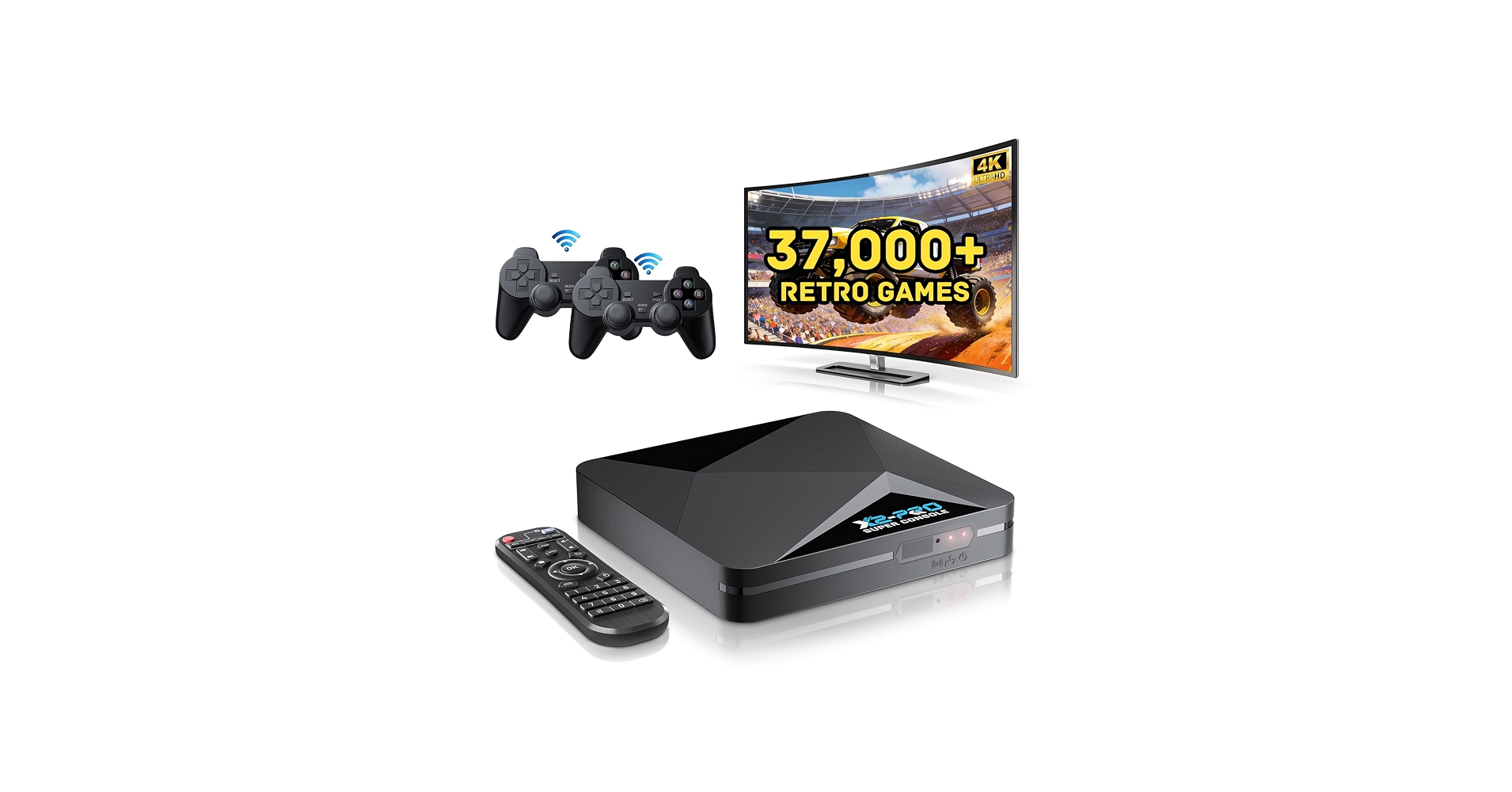


As an Amazon Associate, we may earn from qualifying purchases.
Network and Power Considerations
Beyond the core components, your budget must account for stable power and network connectivity. Firedancer’s efficiency gains are only realized if the network connection is stable and low-latency. A dedicated fiber line or high-quality Ethernet setup is non-negotiable. Additionally, ensure your power supply unit (PSU) has enough headroom for peak loads, as validator nodes can experience sudden spikes in activity during high-traffic periods.
While the initial hardware cost is higher, the long-term benefits include better uptime and potentially higher staking rewards due to improved performance. Always check for compatibility with your existing infrastructure before purchasing. If you are upgrading from a standard validator setup, consider testing the new hardware in a non-production environment first to identify any potential issues.
Firedancer validator options for Solana 2026
Firedancer is a new, independent validator client for the Solana blockchain built by Jump Crypto. A validator client is the software a validator node runs to talk to peers, verify transactions and blocks, and help maintain consensus. For 2026, the network’s throughput and DeFi yield potential depend on how operators choose to run this new client alongside the existing Agave client.
We are comparing the strongest validator configurations available to help you understand the tradeoffs. These options range from single-client setups to dual-client redundancy, each impacting network stability differently.
| Option | Clients Running | Primary Benefit | Key Risk |
|---|---|---|---|
| Single Client (Agave) | Agave only | Simpler maintenance | Single point of failure |
| Single Client (Firedancer) | Firedancer only | Lower resource overhead | Newer software stability |
| Dual Client Redundancy | Agave + Firedancer | Maximum network resilience | Higher hardware costs |
| Light Validator | Firedancer (lite) | Lower entry barrier | Limited transaction processing |
The choice between these configurations affects how you interact with the network. A single-client setup is easier to manage but leaves the node vulnerable if that specific client encounters a bug. Dual-client redundancy is the gold standard for security, ensuring that if one client fails, the other can still process blocks.
For most users, understanding these options helps clarify how Solana’s infrastructure is evolving. As the network matures in 2026, the diversity of validator clients will play a crucial role in maintaining uptime and performance during high-traffic periods.
Inspect the expensive parts
Firedancer is a completely new validator client built from scratch by Jump Crypto, designed to double Solana’s transaction throughput. While the upgrade promises higher speeds, the infrastructure required to run a Firedancer node is significantly more demanding than the standard validator setup. For operators, this means shifting from a commodity hardware approach to a high-performance computing model.
Before committing to the upgrade, you need to evaluate the hardware and network costs that will eat into your DeFi yields. The following checklist breaks down the most expensive failure points so you can budget accurately.
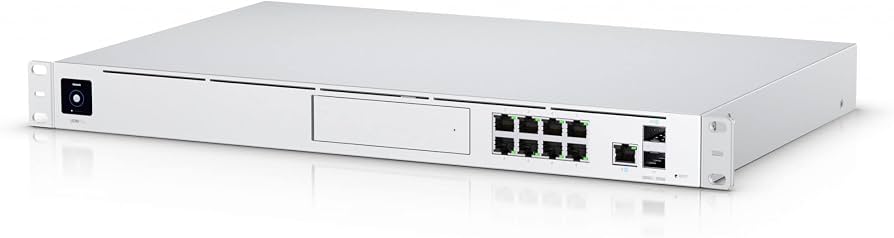
Firedancer is optimized for specific instruction sets that older CPUs cannot handle efficiently. You will likely need to migrate to the latest AMD EPYC or Intel Xeon processors. Budget for a server-grade CPU with high single-core performance, as the validator’s consensus logic is heavily dependent on it. Expect to spend 30-50% more on hardware than a standard Solana node.
Latency is the enemy of validator rewards. Firedancer requires dedicated 10Gbps network connections to minimize packet loss during block propagation. Shared hosting or standard VPS plans will result in missed slots and slashed rewards. Factor in the cost of dedicated lines or premium colocation services, which can add $200-$500 monthly to your operational expenses.
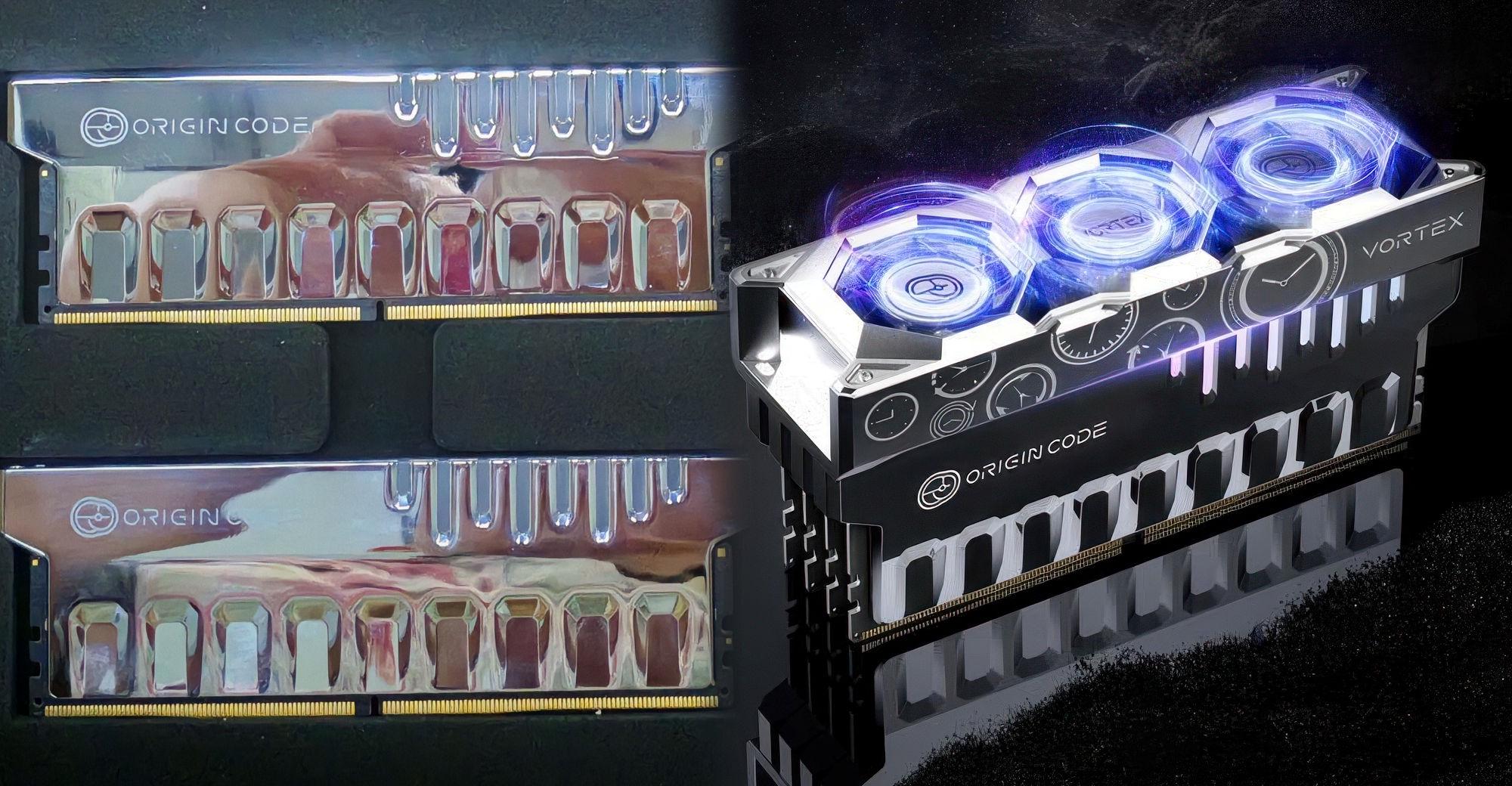
The new validator client processes more transactions in memory before writing to disk. Running Firedancer on less than 128GB of RAM will cause frequent crashes or degraded performance during peak network congestion. High-speed DDR5 ECC memory is a non-negotiable expense. Ensure your motherboard supports the necessary memory density to avoid bottlenecks.


As an Amazon Associate, we may earn from qualifying purchases.
The cost of entry for Firedancer is high, but the potential for increased transaction fees and priority yields can offset the investment if you are already running a validator. If you are new to staking, consider delegating to an existing Firedancer operator rather than building your own infrastructure.
Plan for ownership costs
A cheap upfront price rarely tells the whole story of running a Solana validator. The 2026 Firedancer upgrade promises massive throughput, but it demands a different kind of infrastructure than the standard setups used today. You aren't just buying hardware; you are buying into a high-maintenance operational model where downtime costs more than the machine itself.
The hardware reality
Firedancer is optimized for speed, not efficiency. It treats network bandwidth and CPU cycles as primary resources, often ignoring the "good enough" tier of consumer hardware. If you are looking at entry-level rigs, you will likely find that the cost of upgrading RAM or switching to enterprise-grade SSDs quickly erases any initial savings. The validator must process blocks with near-zero latency, meaning cheap components become bottlenecks that lead to missed rewards.
Maintenance and surprise costs
Beyond the purchase price, you must budget for the time and expertise required to keep the node healthy. Firedancer is a complex, independent validator client. It does not always play nicely with standard monitoring tools. You will likely need to invest in specialized networking gear to handle the transaction spikes or hire technical support to troubleshoot consensus errors. These are not one-time fees; they are recurring ownership costs that scale with network activity.
When "cheap" stops being cheap
The math shifts when you factor in opportunity cost. A $2,000 node that runs at 90% uptime may earn less than a $5,000 node running at 99% uptime. In the DeFi yield environment of 2026, every second of downtime is a missed transaction fee. If you are not prepared to treat this as a serious business operation with dedicated resources, the "cheap" entry point will quickly become a money pit.

As an Amazon Associate, we may earn from qualifying purchases.
Solana firedancer 2026: what to check next
Firedancer is a new, independent validator client for Solana built by Jump Crypto. It is not a fork or a new coin; it is software that runs on validator nodes to verify transactions and maintain consensus, offering an alternative to the existing Agave client.
How high will Solana get in 2026?
Price predictions for 2026 are mixed. Data suggests a 41.5% chance of Solana reaching $80.00 by August 2026, while $70.00 support has a 69.0% probability. Overall market sentiment remains cautious, so treat these numbers as projections, not guarantees.
What does Firedancer change for users?
Firedancer boosts network throughput by processing transactions faster and more reliably. For users, this means lower fees and fewer failed transactions during high-traffic periods. It also improves network resilience by adding client diversity, reducing the risk of a single point of failure.
Is Solana quantum ready?
Current assessments indicate that quantum threats are still years away. Reports from Anza and Jump Crypto suggest that if quantum computing becomes a real threat, Solana has time to implement necessary cryptographic updates. There is no immediate risk to your holdings from quantum attacks.
No comments yet. Be the first to share your thoughts!