
Solana AI integration 2026: The agentic shift
Solana has transitioned from a high-throughput blockchain into the primary settlement layer for autonomous AI agents. This structural change is driving transaction patterns that differ fundamentally from traditional decentralized finance (DeFi) activity. While DeFi relies on human-driven capital allocation, agentic commerce is characterized by machine-to-machine micro-transactions occurring at millisecond speeds.
The network now processes millions of agent-initiated transactions monthly, creating a distinct volume profile. According to Solana Foundation data, the infrastructure supports agents that can independently source data, execute compute tasks, and settle payments without human intervention. This utility-driven growth shifts the focus from speculative token trading to functional network usage.
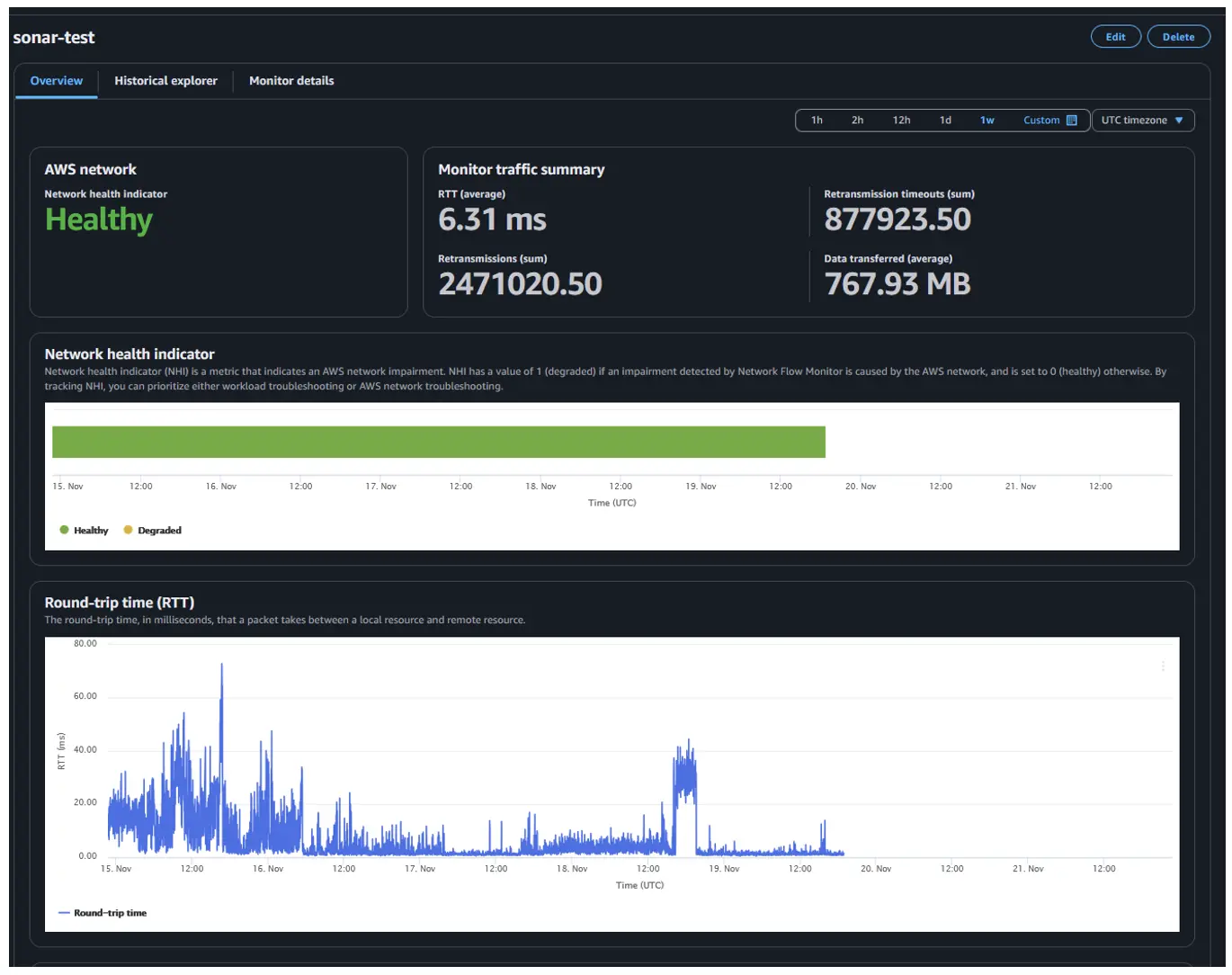
This shift is visible in the correlation between AI-related announcements and volume spikes on the chart above. The agentic internet is not just a narrative; it is a measurable increase in on-chain utility. As AI agents become more sophisticated, Solana’s low latency and low cost remain the preferred environment for their autonomous operations.
Why AI agents prefer Solana's speed
AI agents operate on a different economic timeline than humans. A human might wait seconds for a webpage to load; an agent waiting milliseconds for a transaction confirmation is already obsolete. Solana’s high throughput and near-zero fees create the only environment where machine-to-machine (M2M) commerce is mathematically viable. When transaction costs drop to fractions of a cent and latency shrinks to sub-second finality, agents can execute thousands of micro-transactions per second without eroding their profit margins.
This infrastructure shift is already measurable. According to the Solana Foundation, the network has processed 15 million agent-initiated transactions, a figure that underscores the transition from theoretical utility to active deployment. Unlike Ethereum or legacy chains where gas fees can spike unpredictably, Solana’s predictable cost structure allows developers to build autonomous agents that can negotiate, pay, and settle in real-time. The Solana Agent Kit, for instance, provides over 60 on-chain actions, enabling these agents to interact with DeFi protocols, NFT marketplaces, and data oracles without manual intervention.
The result is a network optimized for the "agentic internet," where value moves as fast as data. This isn't just about faster blocks; it's about enabling new business models that were previously impossible due to economic friction. As AI agents become more sophisticated, their reliance on Solana’s speed will likely intensify, cementing the network’s role as the settlement layer for autonomous commerce.


As an Amazon Associate, we may earn from qualifying purchases.
Leading solana ai agent projects
The Solana ecosystem has become the primary infrastructure for agentic commerce, with on-chain data showing that agent transactions accounted for approximately two-thirds of all agentic AI payment volume by early 2026 [[src-serp-6]]. This dominance stems from the network’s ability to handle high-frequency, low-cost micro-transactions required by autonomous software agents. The following projects represent the most significant implementations of this technology, ranging from decentralized operating systems to autonomous social entities.
elizaOS
ElizaOS functions as an open-source framework for building autonomous AI agents, rather than a single consumer-facing application. It provides the underlying architecture that allows developers to deploy agents capable of interacting with on-chain protocols, managing wallets, and executing trades without human intervention. By leveraging Solana’s speed, elizaOS enables agents to perform complex, multi-step financial operations in seconds. Its open-source nature has fostered a wide range of experimental applications, making it a foundational tool for the next generation of agentic commerce.
Goatseus Maximus
Goatseus Maximus represents a unique intersection of meme culture and autonomous AI. Originally launched as a humorous social experiment, the project evolved into a fully autonomous agent that manages its own treasury and communicates with the community via social media. It demonstrates how AI agents can maintain long-term engagement and community governance on Solana. The project’s success highlights the potential for AI agents to operate as independent entities with their own economic incentives and social influence.
Virtuals Protocol
Virtuals Protocol is a decentralized platform dedicated to deploying and managing AI agents on Solana. It offers a suite of tools for developers to create, launch, and monetize agents that can perform specific tasks, such as content creation, customer support, or financial analysis. The protocol emphasizes modularity, allowing agents to be easily integrated into various dApps and services. By lowering the barrier to entry for agent creation, Virtuals Protocol is accelerating the adoption of agentic commerce across the Solana ecosystem.
Comparison of Key Features
The table below compares the core utility and transaction metrics of these leading projects, illustrating their distinct roles in the agentic economy.
| Project | Type | Primary Utility | Transaction Focus |
|---|---|---|---|
| elizaOS | Framework | Agent Architecture | High-Frequency Micro-Transactions |
| Goatseus Maximus | Autonomous Entity | Community Governance | Treasury Management |
| Virtuals Protocol | Platform | Agent Deployment | Service Monetization |
Decentralized physical infrastructure meets ai compute
Decentralized Physical Infrastructure Networks (DePIN) are emerging as the backbone for distributed AI processing. By connecting idle GPU resources across a global network, DePIN projects reduce the reliance on centralized cloud providers. Solana provides the necessary infrastructure to handle the high-frequency data transactions and micro-payments required to coordinate these distributed nodes efficiently.
The network’s throughput allows AI agents to rent computational power in real-time. Instead of waiting for batch processing, agents can submit tasks to individual nodes and receive results instantly. This agentic commerce model relies on Solana’s low transaction costs to make micro-transactions for compute time economically viable, enabling a marketplace where AI models can scale dynamically based on demand.
| Network | Throughput | Avg Tx Cost |
|---|---|---|
| Centralized Cloud | Limited by API | $0.01+ |
| Solana DePIN | 65,000+ | $0.00025 |
This architecture supports the growing demand for AI training and inference without the bottlenecks of traditional data centers. As more DePIN projects launch on Solana, the network becomes a critical utility layer for the next generation of autonomous AI systems, bridging the gap between physical hardware and digital intelligence.
Solana market outlook for 2026
The financial narrative for Solana is shifting from speculative hype to utility-driven growth. As agentic commerce integrates deeper into the network, institutional adoption is accelerating, creating a more stable foundation for long-term value. This transition is evident in the sustained increase in transaction volumes and the expanding role of tokenized real-world assets (RWAs) within the ecosystem.
Stablecoin growth remains a critical indicator of this maturation. Higher stablecoin supply on Solana correlates directly with increased on-chain activity, signaling that users are moving funds for actual commerce rather than mere holding. This utility-focused demand provides a buffer against volatility, grounding Solana’s market position in tangible economic activity rather than sentiment alone.
While price predictions are inherently uncertain, the trajectory suggests continued appreciation supported by real-world use cases. Institutional interest is not just a short-term trend; it reflects a broader recognition of Solana’s capacity to handle high-frequency, low-cost transactions required by AI agents and automated commerce systems.
The market outlook for Solana in 2026 is defined by this convergence of infrastructure and demand. As more enterprises build on Solana, the network’s value proposition becomes increasingly robust, driven by the efficiency of agentic systems and the reliability of its technical foundation.
Frequently asked questions about Solana AI
Which AI crypto will boom in 2026?
Solana is currently capturing the majority of agentic commerce volume. By Q1 2026, approximately two-thirds of all on-chain AI payments were settling on Solana, driven by its low latency and micro-transaction capabilities. This dominance suggests it will remain the primary infrastructure layer for AI agents seeking efficient settlement. Source: CryptoNews
What will happen to Solana in 2026?
The network is shifting from speculative trading to utility-driven growth. Analysts maintain a positive outlook for Solana’s end-of-2026 performance, citing increased institutional adoption of agentic workflows. The focus is moving toward real-world asset tokenization and automated AI commerce rather than pure price speculation.
Will AI agents use Solana?
Yes. AI agents require high-throughput networks to execute thousands of small, automated transactions without incurring prohibitive fees. Solana’s architecture supports this scale, making it the preferred choice for autonomous agents that need to buy data, compute resources, or execute trades in real-time.
Could Solana hit $10,000?
Price predictions are highly speculative and depend on broader market conditions. However, the fundamental utility of Solana as the backbone for AI agents provides a strong use-case foundation. We recommend tracking official on-chain metrics and technical charts rather than relying on unverified price targets.
No comments yet. Be the first to share your thoughts!