
How Onchain Auctions Are Revolutionizing Token Launches on Solana: A Visual Guide
Onchain auctions are rapidly redefining how tokens launch on Solana, introducing a new era of fairness, transparency, and efficiency in a sector long plagued by front-running and opaque price discovery. As of today, with Binance-Peg SOL (SOL) trading at $212.87, the growing appetite for equitable token launches is more pronounced than ever. This visual guide explores how protocols like Metaplex’s Genesis and innovative formats such as uniform price and sealed-bid auctions are transforming the landscape for both projects and investors.
Why Traditional Token Launches Fall Short
Historically, token launches on Solana and other chains have struggled with several issues:
- Front-running: Bots or well-resourced actors snatch allocations before retail users.
- Lack of transparency: Opaque allocation rules create uncertainty and potential manipulation.
- Inequitable access: Early insiders often benefit disproportionately compared to regular participants.
This environment has fueled demand for launch mechanisms that level the playing field while leveraging Solana’s high throughput and low transaction costs.
The Genesis Protocol: Raising the Bar for Onchain Auctions
Metaplex’s Genesis protocol is a comprehensive toolkit designed to address these challenges head-on. Projects like DeFiTuna, Pipe Network, and Portals have already adopted Genesis to deliver more equitable token offerings. Its features include:
- Configurable launch mechanics: Choose between fixed-price presales, time-based pools, or onchain auctions.
- Fair launch design: Time-based pools and auction mechanics eliminate sniping and front-running.
- Transparent economics: Onchain distribution schedules let all participants verify vesting and allocation in real-time.
- Airdrop and claim tools: Efficiently distribute tokens to buyers or NFT holders with verifiable onchain records.
- Liquidity management integrations: Directly allocate sale proceeds to DEX liquidity pools.
This modular approach empowers projects to tailor their launch to community needs while ensuring every step is publicly auditable on Solana’s ledger.
The Mechanics Behind Uniform Price Auctions
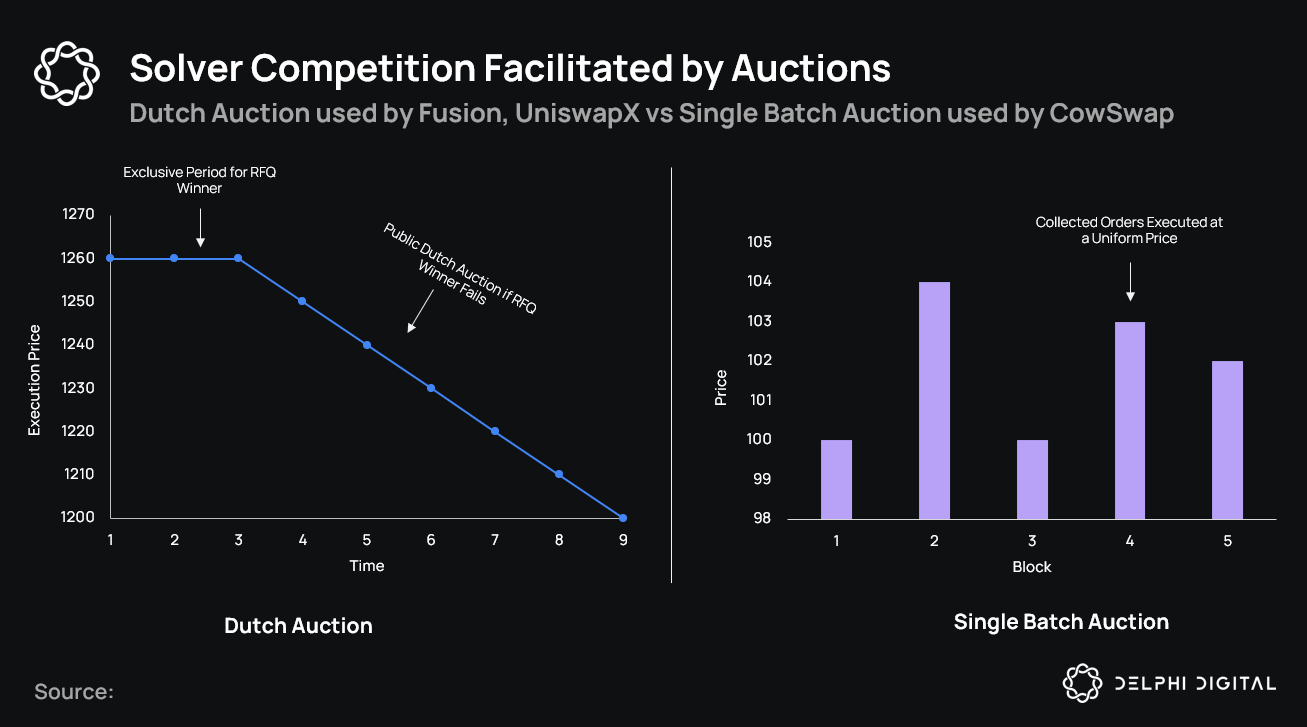
A core innovation of modern Solana token launches is the adoption of uniform price auctions. Here’s how they work in practice:
- Bidding phase: Participants submit bids indicating the quantity of tokens they want at various prices within a set window.
- Auction clearing: All winning bidders pay the same final market-clearing price, the lowest successful bid that fills the entire allocation, regardless of their individual bids above that threshold.
- No pay-as-bid distortion: Unlike first-price auctions (where winners pay their bid), uniform pricing ensures no one overpays due to aggressive bidding tactics.
This format not only democratizes access but also provides robust onchain price discovery, a crucial step toward mature capital formation in crypto markets. For deeper insights into auction theory applied in blockchain contexts, see academic discussions from sources like TSE or Toulouse School of Economics or Dutton Institute referenced in recent research.
The Rise of Sealed-Bid Auctions and Anti-Snipe Mechanisms
An additional safeguard against manipulation comes from sealed-bid auctions. Here, all bids are submitted privately, participants don’t see each other’s offers, which reduces collusion risks and helps ensure fairer outcomes. The process looks like this:
- Announcement and registration: The project shares sale details; users register wallets for eligibility checks if needed.
- Bidding window opens: Participants submit secret bids within a fixed timeframe; no changes allowed after submission (bid locking).
- Auction close and reveal: After closing, bids are revealed (if public), allocations determined by ranking highest bids until supply runs out, all at the clearing price for uniformity.
This structure minimizes front-running since there’s no way to react to others’ bids in real time. For an explainer on sealed-bid launches specific to crypto, you can reference this overview from Cointelegraph: What is a sealed-bid token launch?
Beyond fairness, onchain auctions on Solana are accelerating price discovery and capital efficiency. Uniform price and sealed-bid formats remove the psychological pressure of gas wars or split-second sniping, empowering a wider range of participants to engage with confidence. This is especially relevant as SOL holds at $212.87, reflecting both the chain’s robust liquidity and the growing demand for transparent launch models.
Comparing Solana’s Auction Innovations to Other Chains
The move toward uniform price auctions is not unique to Solana, but the chain’s high throughput and low fees make it particularly well-suited for these mechanics. While Ethereum experimented with first-price and Dutch auctions, high gas costs and network congestion often led to unpredictable outcomes. On Solana, even complex auction logic can be executed quickly at minimal cost, giving rise to features like:
Key Differences: Solana Onchain Auctions vs. Legacy Token Sales
-
Transparent Onchain Processes: Solana’s onchain auctions, like those powered by Metaplex Genesis, record every bid, allocation, and transaction directly on the blockchain, ensuring full transparency. Legacy token sales often rely on off-chain processes, making it harder for participants to verify fairness.
-

Fair Price Discovery Mechanisms: Modern Solana auctions utilize Uniform Price and Sealed-Bid formats, where all winning bidders pay the same price or submit private bids. This reduces manipulation and front-running, unlike many legacy models that favor early or large buyers.
-

Enhanced Anti-Bot and Anti-Sniping Protections: Platforms like Orca Wavebreak integrate onchain CAPTCHAs and permission structures to ensure human participation, whereas legacy sales are often vulnerable to bots and snipers.
-
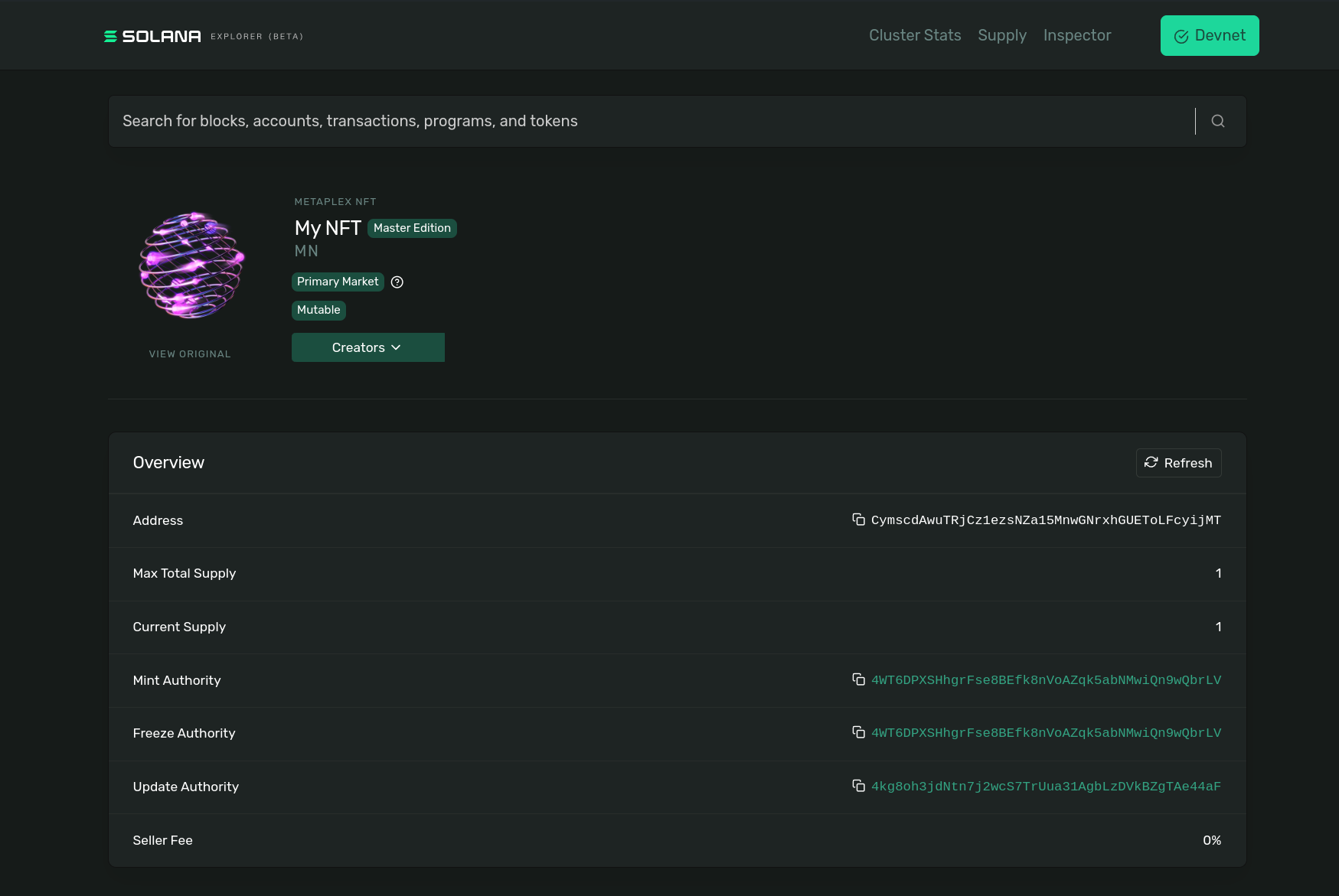
Configurable Launch Mechanics: Solana protocols offer flexible options—such as fixed-price presales, batch auctions, and time-based pools—allowing projects to tailor launches for fairness and efficiency. Legacy models typically offer limited, rigid sale structures.
-
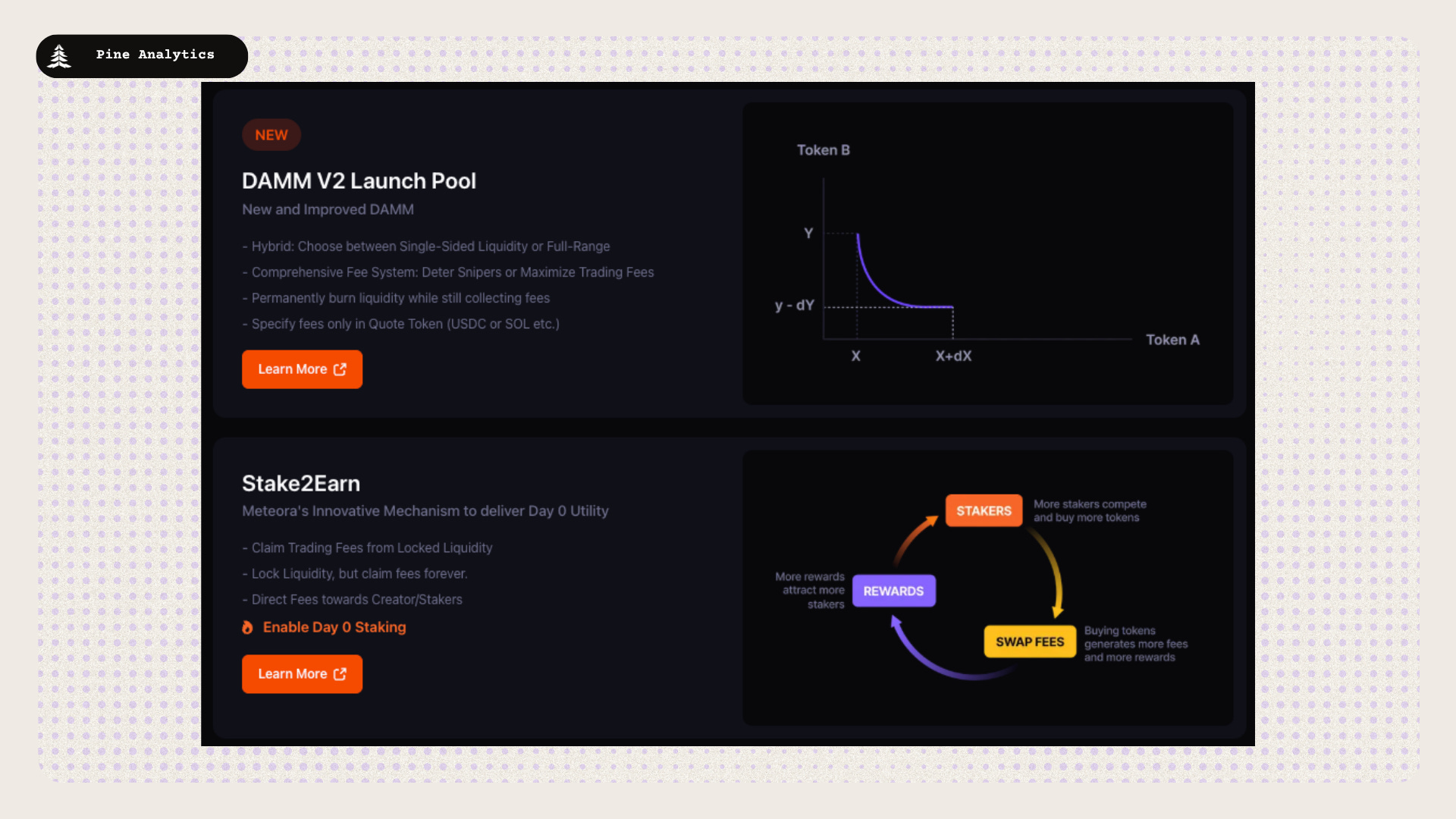
Direct Onchain Liquidity Integration: Proceeds from Solana onchain auctions can be automatically allocated to liquidity pools on decentralized exchanges (DEXs), supporting immediate trading and price stability. Legacy sales often delay or complicate liquidity provisioning.
This technical edge is why protocols such as Genesis are gaining traction among projects seeking a frictionless launch experience. Additionally, anti-sniping innovations, like Orca’s Wavebreak launchpad, demonstrate how the ecosystem is proactively addressing bot-driven manipulation by requiring CAPTCHAs and onchain permissioning for human verification (read more here).
Visualizing Auction Participation: What Users Need to Know
For retail investors navigating these new formats, understanding how to participate, and what risks remain, is essential. Here’s a quick breakdown:
- KYC/Eligibility: Some launches may require wallet whitelisting or basic identity checks.
- Bid Strategy: In uniform price auctions, bidding above your true value doesn’t penalize you, everyone pays the clearing price.
- Settlement and Claims: After auction close, tokens are claimable via onchain contracts; proceeds often flow directly into DEX liquidity pools for instant secondary trading.
This level of transparency means that allocations, vesting schedules, and even unsold tokens can be verified by anyone in real time, a major step forward from opaque private rounds or centralized exchanges.
What Does This Mean for Investors?
The shift toward onchain auctions fundamentally changes risk management for both projects and investors. By removing hidden allocation games and ensuring everyone pays the same price per token, participants can make more informed decisions based on market demand rather than insider access or speed alone. For those tracking Solana ecosystem opportunities, whether in gaming tokens, memecoins, or infrastructure plays, these innovations create a more predictable environment for capital deployment.
As adoption grows across DeFiTuna, Pipe Network, Portals, and beyond, expect further experimentation with auction formats, batch sales, hybrid models blending fixed-price pools with time-based unlocks, all made possible by Solana’s technical backbone.
The Road Ahead: A More Equitable Launch Paradigm
If there’s one takeaway from this evolution in token launches on Solana it’s this: onchain auctions are putting power back in the hands of communities. With every bid transparently recorded and every allocation rule codified in smart contracts, trust shifts from centralized gatekeepers to open protocols. As we approach a future where capital formation is as frictionless as sending an email, and as SOL remains steady at $212.87, the playbook for launching new assets will continue to evolve rapidly.