
PocketSol Solana Pool Game: Earn USDC Wins and NFT Staking Rewards Guide 2026

In the evolving landscape of Solana web3 gaming 2026, PocketSol emerges as a standout Solana pool game that blends skillful play with tangible rewards. Leveraging Solana’s lightning-fast transactions and negligible fees, this innovative title lets players compete in virtual pool matches to earn USDC directly from victories, while also offering NFT staking for passive income. As someone who’s analyzed countless blockchain projects over 11 years, I see PocketSol as a prime example of how play-to-earn Solana games can deliver real value without the volatility pitfalls of native tokens.

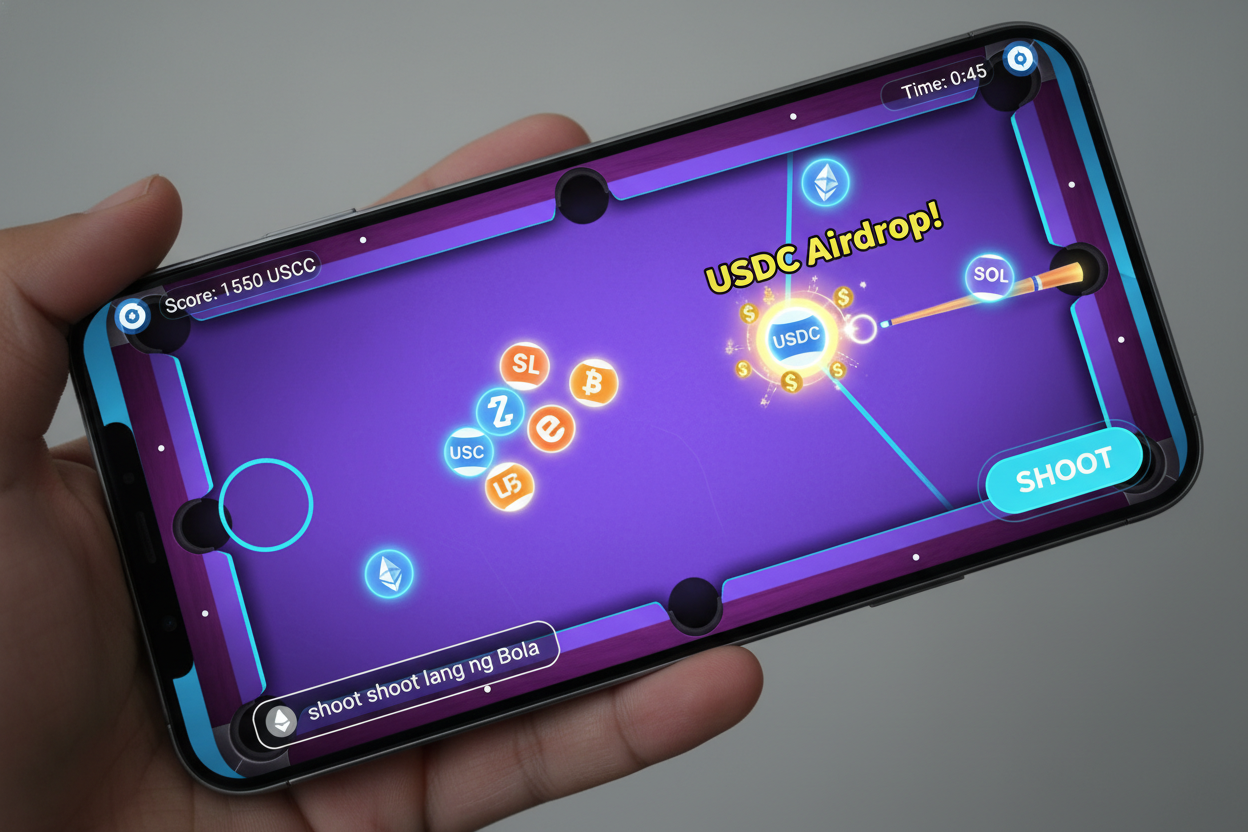
The buzz around PocketSol, often buzzing under aliases like SolPocket, stems from its free-to-play model with airdrop incentives, as teased in recent community videos. Players dive into straightforward yet addictive pool mechanics: cue in hand, pot the balls strategically against opponents in real-time matches. Wins translate to USDC payouts, the stablecoin backbone ensuring your earnings hold steady at a 1: 1 USD peg. This setup sidesteps the crypto price swings that plague many games, making it ideal for gamers seeking reliable income streams.
PocketSol’s Gameplay Edge on Solana’s High-Speed Network
What sets PocketSol apart in the crowded field of play-to-earn Solana games is its seamless integration with Solana’s infrastructure. Transactions settle in milliseconds, eliminating lag that frustrates traditional online pool games. From entry fees to instant win distributions, every action feels fluid. Drawing from Solana Compass insights on top Solana reward projects, PocketSol mirrors successful formulas like NFT-earning lotteries but refines them into a skill-based pool arena. Beginners start with practice modes, honing angles and spins, before entering ranked ladders where stakes rise and USDC pots swell.
In my analysis, this frictionless experience addresses common indie gaming concerns raised on Reddit, such as staking complexities deterring casual players. PocketSol minimizes barriers: no upfront SOL staking required to play, just optional NFT enhancements for boosts. Community feedback echoes this; free-to-play lists on PlayToEarn spotlight Solana’s appeal for such titles, citing low costs as a magnet for developers and users alike.

Strategic USDC Earnings: From Pool Shots to Stable Payouts
Earning USDC in PocketSol isn’t luck-driven; it’s methodical precision meets competition. Each match pits you against global opponents, with entry fees pooled into a jackpot. Sink the eight-ball first, and claim your share in USDC, withdrawn instantly to your wallet. Yields scale with skill tiers: novices might net $0.50-$2 per win, while pros chase $10 and pots in high-stakes brackets. This tiered system educates players on bankroll management, a cornerstone of long-term value investing I advocate.
Consider the economics: Solana’s low fees mean 99% and of entry fees reach winners, far outperforming Ethereum equivalents burdened by gas. From PlayToEarn’s blockchain games lists, PocketSol aligns with trends like Immutable’s reward upgrades, but focuses on stablecoin outputs for sustainability. Players report consistent small wins compounding over sessions, turning hobby time into supplemental income without market exposure risks.
Layering in NFT Staking: Building Passive Rewards
Beyond active play, PocketSol’s NFT staking elevates engagement. Mint or win unique pool cues, tables, or ball sets as NFTs, then stake them for yield. Similar to Solana’s native SOL staking, which secures the network with validator rewards, these assets generate additional USDC or token drips. Reddit discussions on staking pros highlight yields of 5-8% APY typically, though PocketSol’s game-specific pools might edge higher based on participation.
Current staking pools in PocketSol offer competitive APYs, often surpassing standard SOL staking rates of around 6%, thanks to game fees funneled back as rewards. This creates a flywheel: play to earn NFTs, stake for yield, reinvest in higher-stakes games. Unlike pure speculation in memecoins, this model rewards skill and patience, aligning with my philosophy that research and patience build wealth.
Mastering NFT Acquisition and Staking Mechanics
PocketSol’s PocketSol NFT mint events drive much of the hype, with limited drops tying into airdrop campaigns spotted in SolPocket YouTube teasers. Earn NFTs through tournament wins or purchase them on secondary markets like Magic Eden, then stake via the in-game dashboard. The process integrates liquid staking proxies, mitigating Reddit-noted cons like lockups. Options akin to mSOL or vSOL let you stake while keeping assets liquid for trading or collateral, with unstaking near-instant. Yields accrue daily, claimable in USDC to compound stability.
Master PocketSol: Mint, Play & Stake NFTs to Earn USDC Rewards on Solana
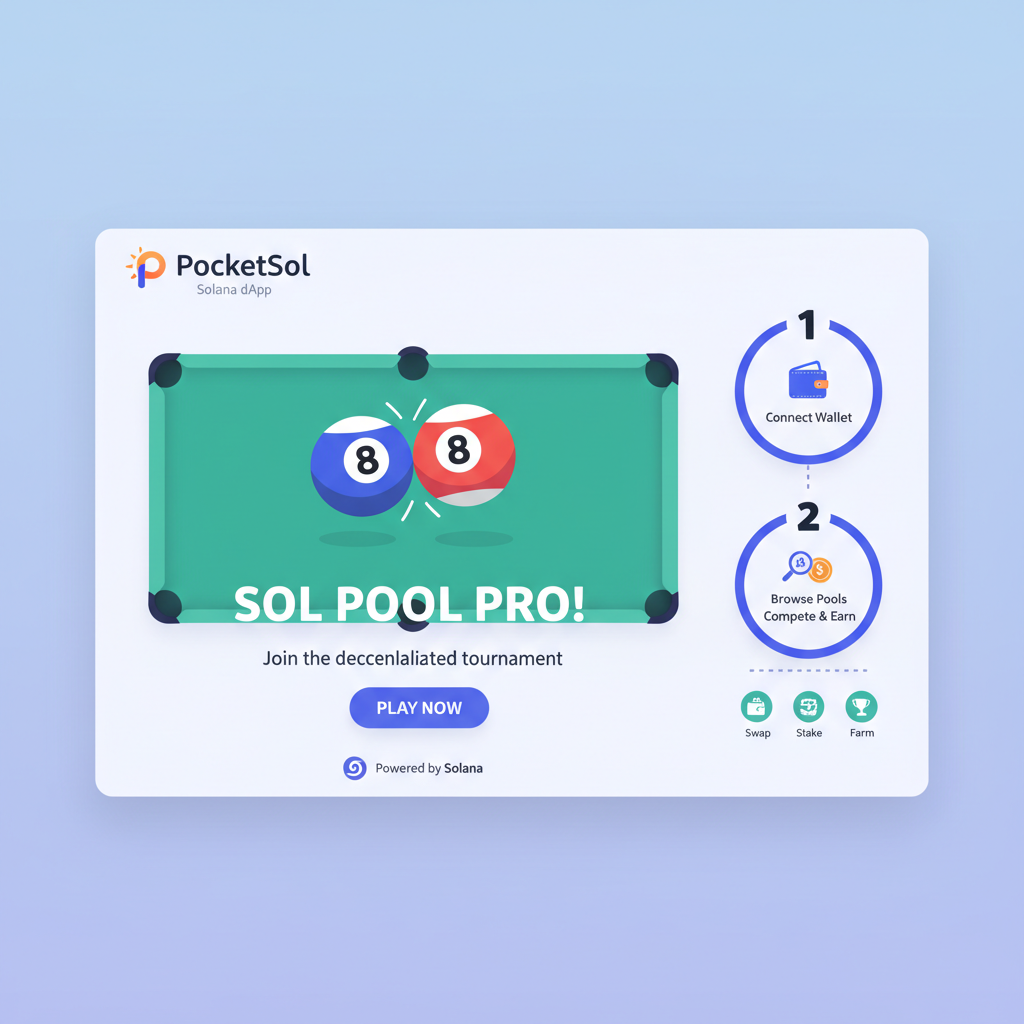
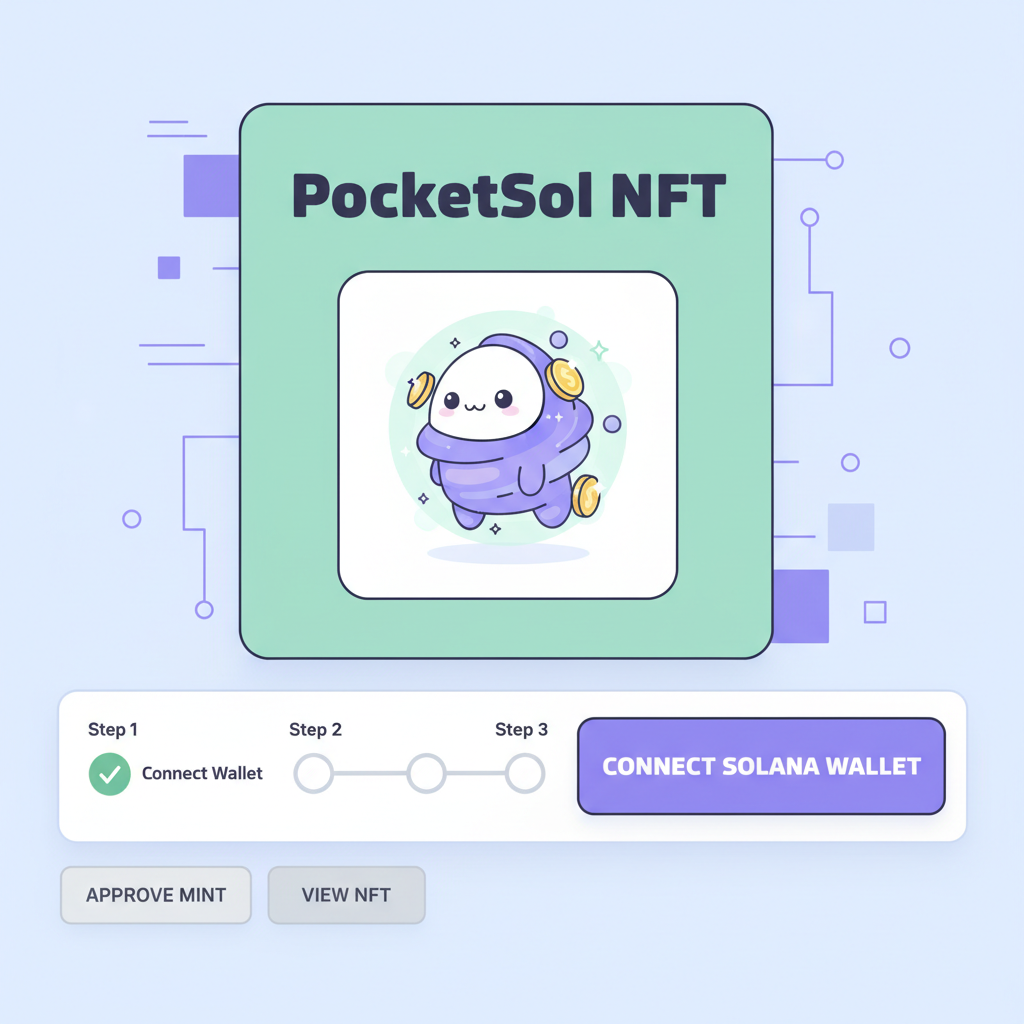
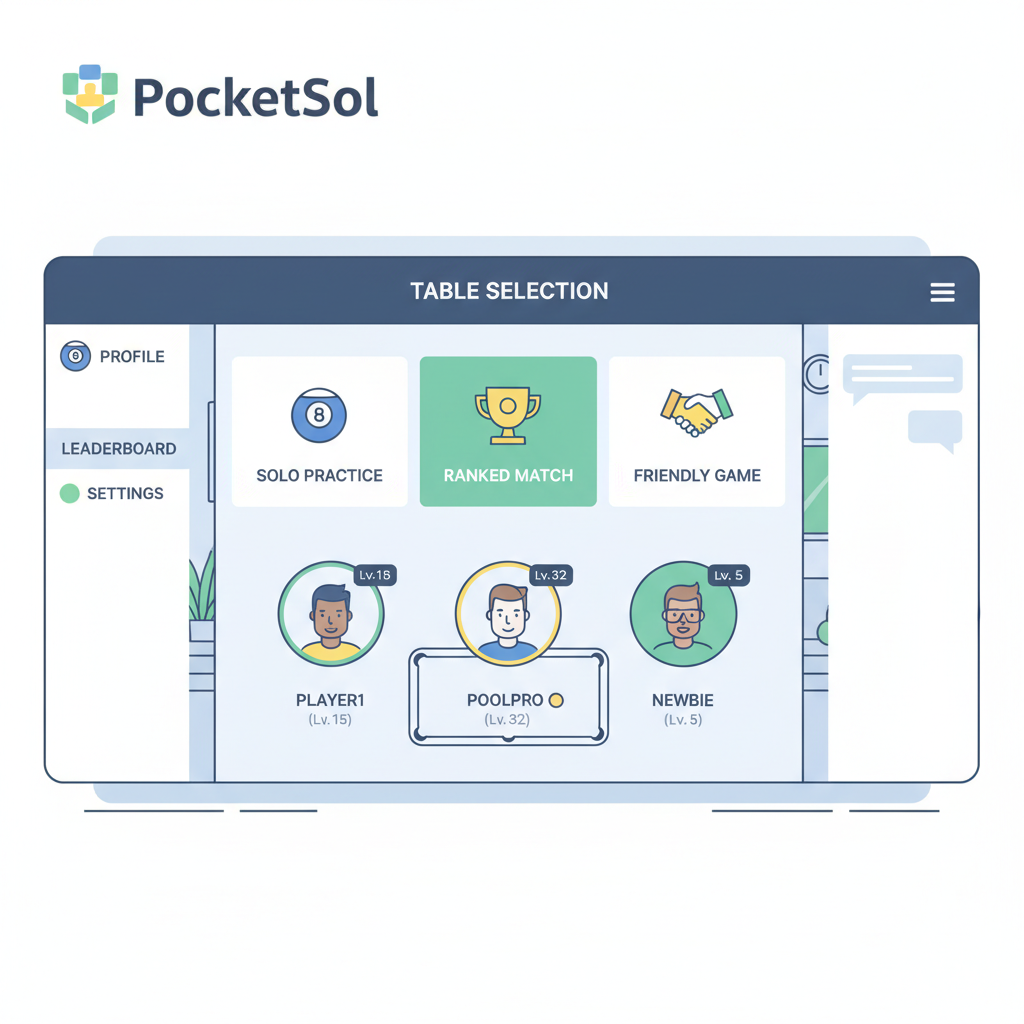
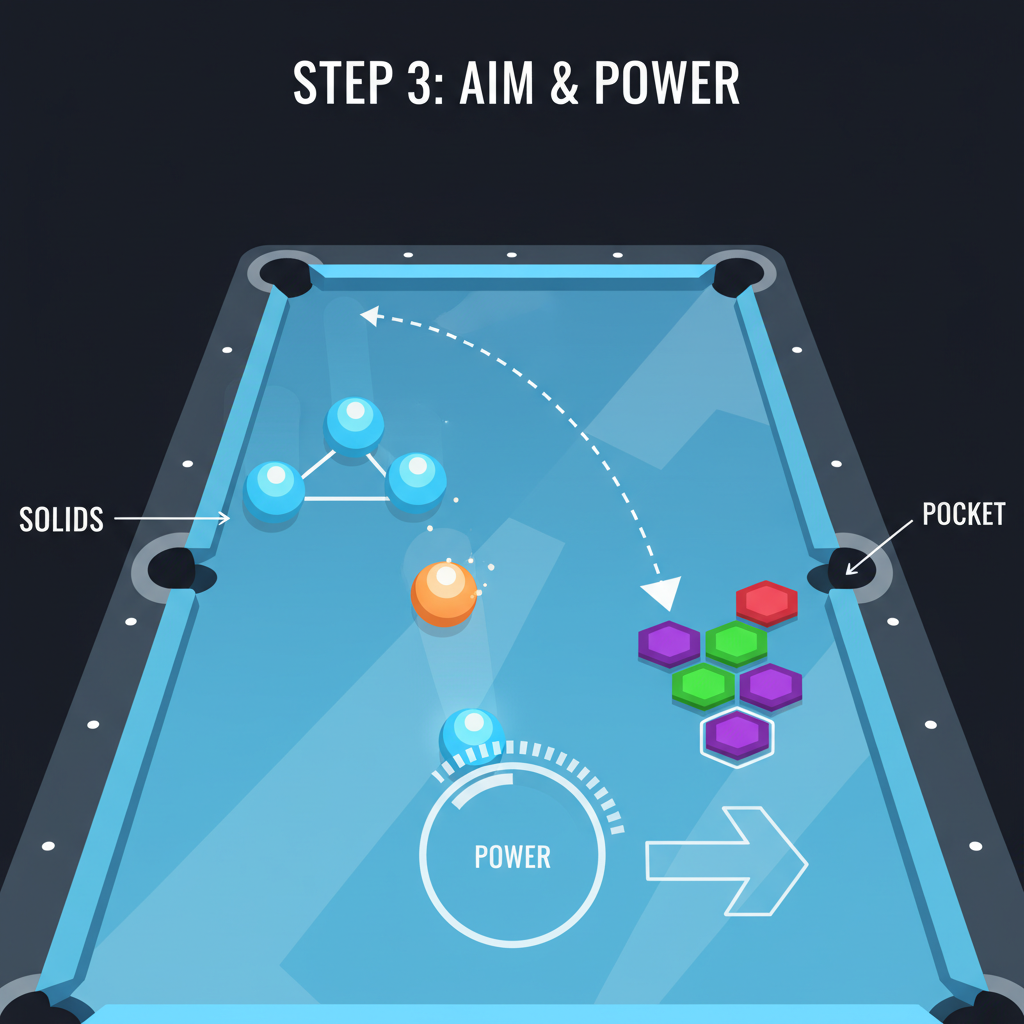
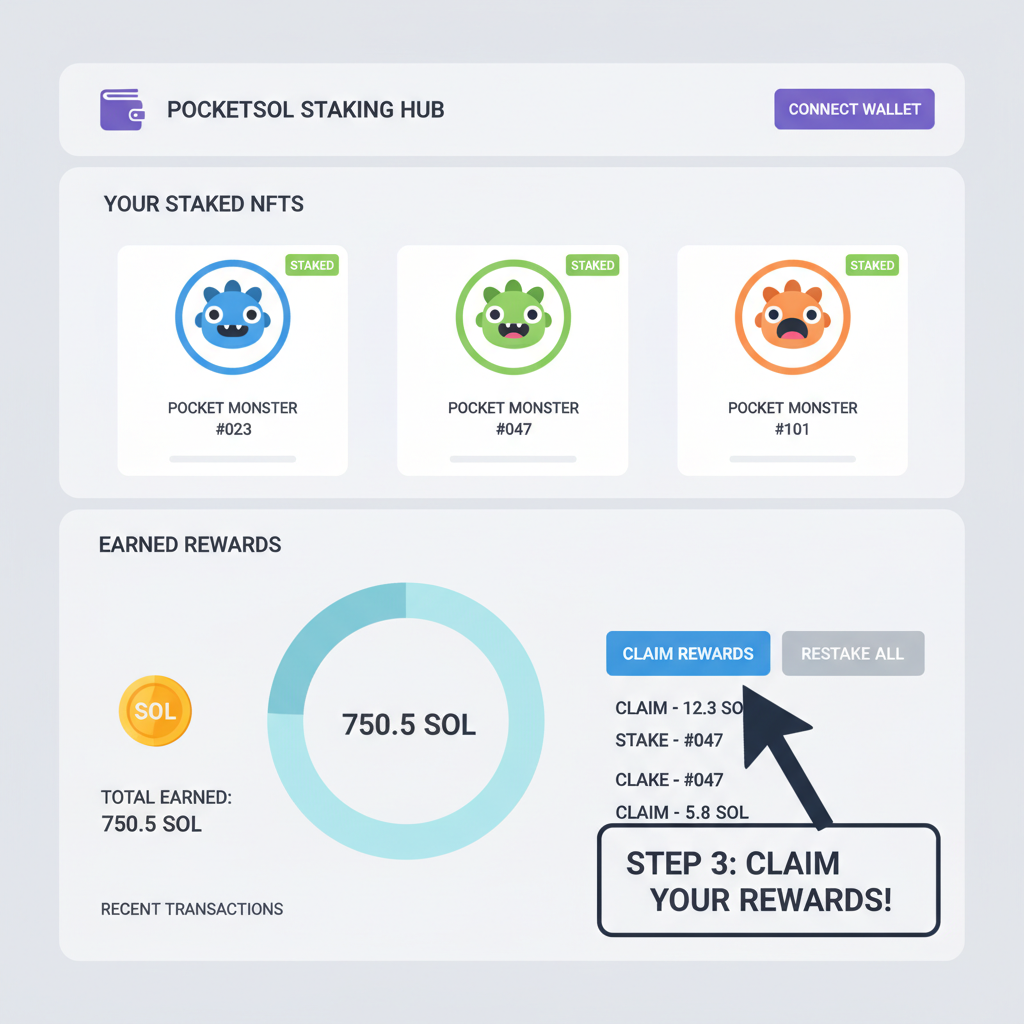
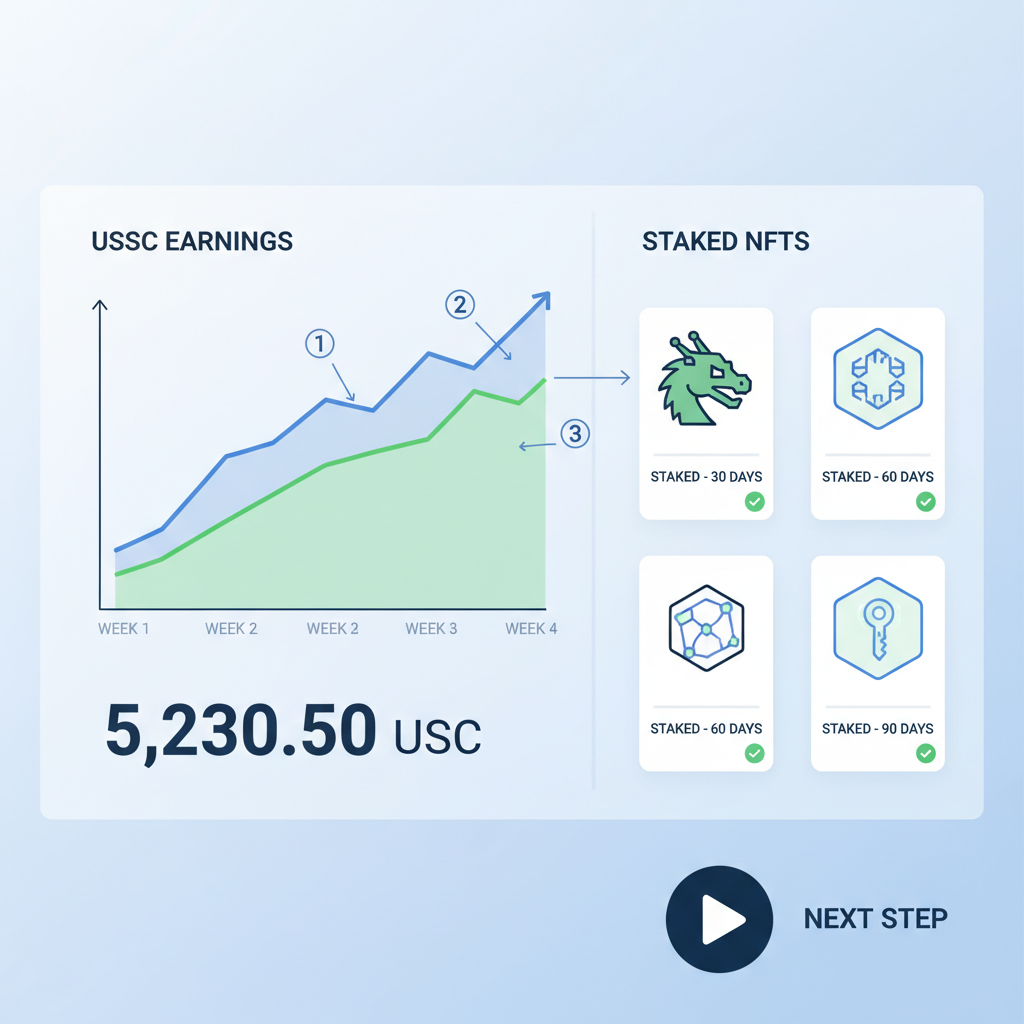
This accessibility broadens appeal in Solana web3 gaming 2026. Casual players stake low-rarity cues for 4-6% APY; whales lock premium sets chasing 10% plus governance perks. Data from Solana Compass on reward projects shows staking boosts retention by 3x, a metric PocketSol likely mirrors given its dual active-passive design.
Risks, Rewards, and Strategic Playbook
Staking isn’t risk-free. Reddit threads on Solana staking underscore lockup periods and slashing risks if validators falter, though game NFTs face platform-specific hazards like obsolescence if PocketSol iterates assets. Pros dominate: diversified income from USDC wins plus staking, low entry via free-to-play, and Solana’s speed curbing opportunity costs. Cons include opportunity cost during lockups and impermanent loss in liquidity pools, but liquid options blunt these edges.
Strategically, allocate 20% of winnings to NFT upgrades, 30% to staking, and bank the rest in USDC. Track leaderboards for optimal matchups; avoid overextending in high-bracket volatility. My 11-year analysis of ecosystems favors projects like PocketSol that layer stable earnings atop volatile chains, echoing successes in PlayToEarn’s Solana lists.
PocketSol NFT Staking vs. Traditional SOL Staking: Pros, Cons, APY Estimates, Liquidity & Risks
| Aspect | PocketSol NFT Staking | Traditional SOL Staking |
|---|---|---|
| APY Estimates | Estimated 12-20% (NFT yields + gameplay boosts) 🚀 | Estimated 5-8% (network validator rewards) 📈 |
| Liquidity | Medium: NFTs tradeable on marketplaces; potential staking lockups 🎨 | Low: Funds locked during stake (unstaking ~2-3 days); higher with liquid staking like mSOL 💧 |
| Risks | High: Project-specific, NFT volatility, smart contract & gameplay dependency 🎲 | Low-Medium: Rare validator slashing, SOL price exposure 🔒 |
| Key Pros | Fun pool game integration 🎮, earn stable USDC actively 💰, passive NFT rewards, community engagement | Proven secure network 🛡️, simple passive income, supports Solana decentralization |
| Key Cons | Newer project risks 😰, requires gameplay participation, NFT illiquidity | Lower yields & engagement 😴, opportunity cost from lockups, no active earnings |
Community sentiment, fueled by free-to-play Solana game roundups, positions PocketSol as a gateway for newcomers wary of Ethereum’s fees. Immutable’s reward escalations highlight industry momentum, but PocketSol’s pool precision offers tactile skill expression absent in lotteries.
Your Path to Earnings: Practical Onboarding
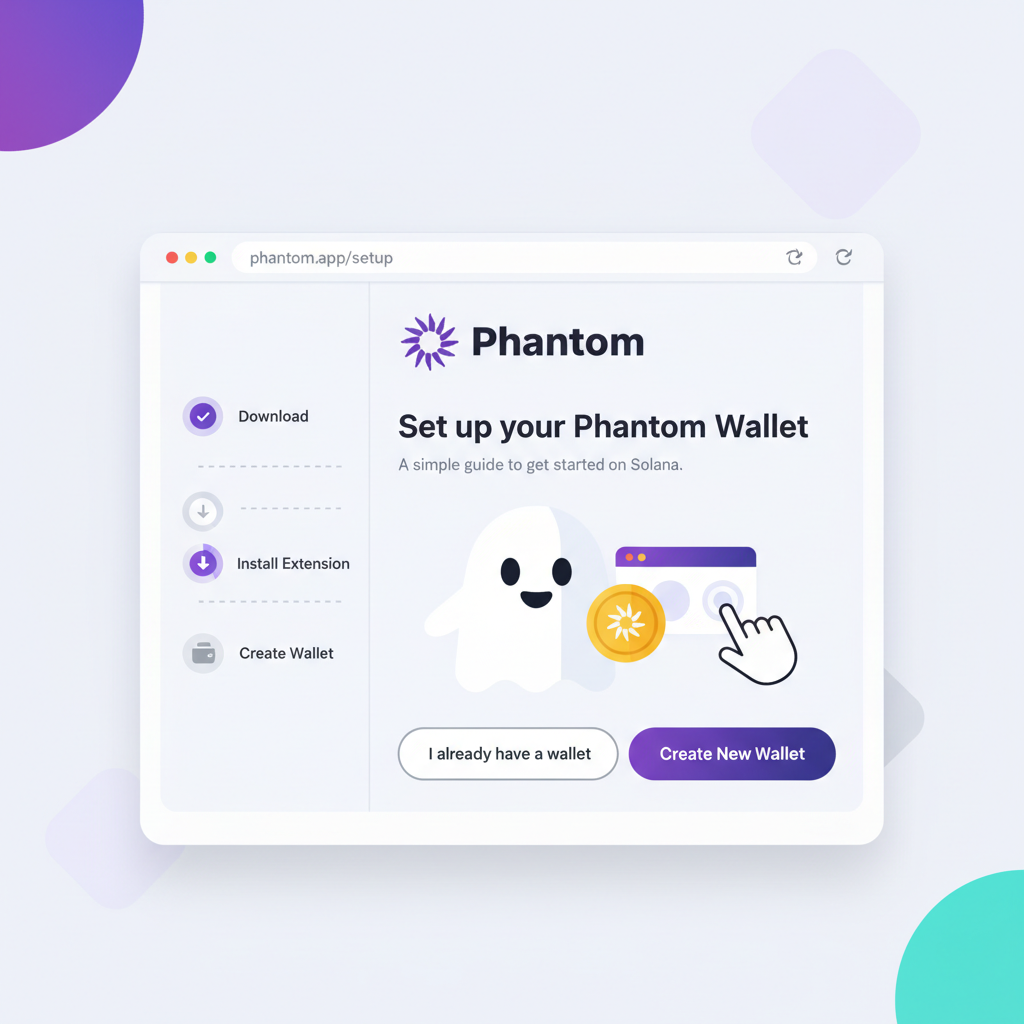
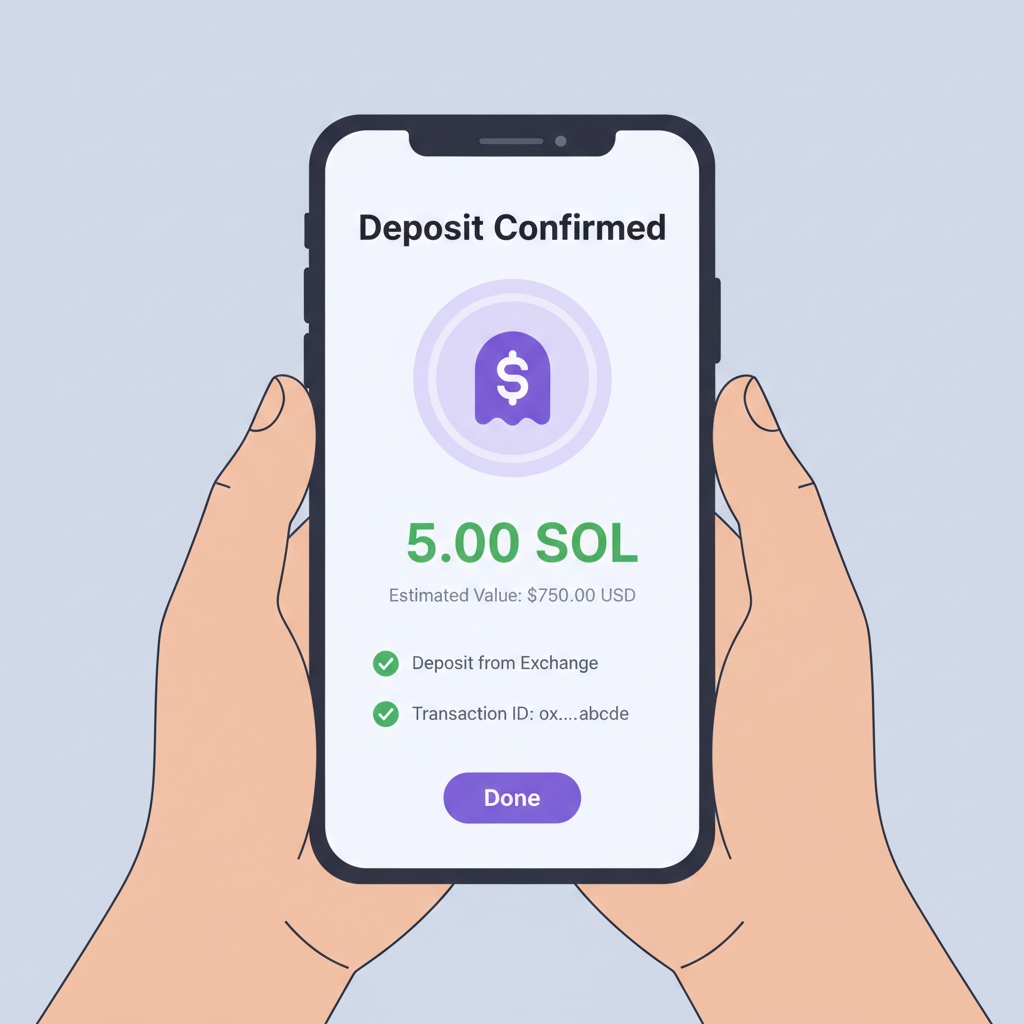
Jump in with a Phantom or Backpack wallet funded minimally with SOL for fees. Connect to PocketSol’s dApp, grind practice rounds, then ladder up. USDC withdrawals hit wallets instantly, stakeable externally for extra yield if desired. Airdrop hunters monitor SolPocket channels for multipliers.
Looking ahead to 2026, PocketSol’s fusion of earn USDC Solana game mechanics with NFT staking positions it for explosive growth amid Solana’s scaling upgrades. As validator counts rise and TVL surges, expect refined tournaments, cross-game NFT utility, and partnerships amplifying rewards. For investors eyeing play to earn Solana games, PocketSol demands attention: its stablecoin core insulates against downturns, rewarding disciplined participants with compounding returns. Dive in, master the table, and let Solana’s efficiency turn shots into sustained wealth.